If we collect this information, what action will it help us take?
Vanavil Trust began in Nagapattinam, Tamil Nadu, in the aftermath of the 2004 tsunami, and today runs a residential school, children’s homes and after-school centres that support hundreds of children through education, nutrition, child protection and livelihood initiatives.
An earlier Goalkeep engagement had given Vanavil a simple system to monitor attendance, and with native-language training the team grew confident using that data, which helped bring three children who had dropped out back to school. That raised a new question: if attendance data could become actionable, could assessment data too? Vanavil already had a rich assessment process, but it came with its own challenges:
- Information sat across multiple sheets and formats, which made it difficult to compare, analyse and turn into action.
- Activities changed from term to term and every teacher documented children’s progress in their own way, so learning was hard to compare across grades and terms.
- Teachers’ time with children came first, and there was a genuine concern that standardising assessments would take away their flexibility to adapt activities.
1. Asking What the Data Should Answer
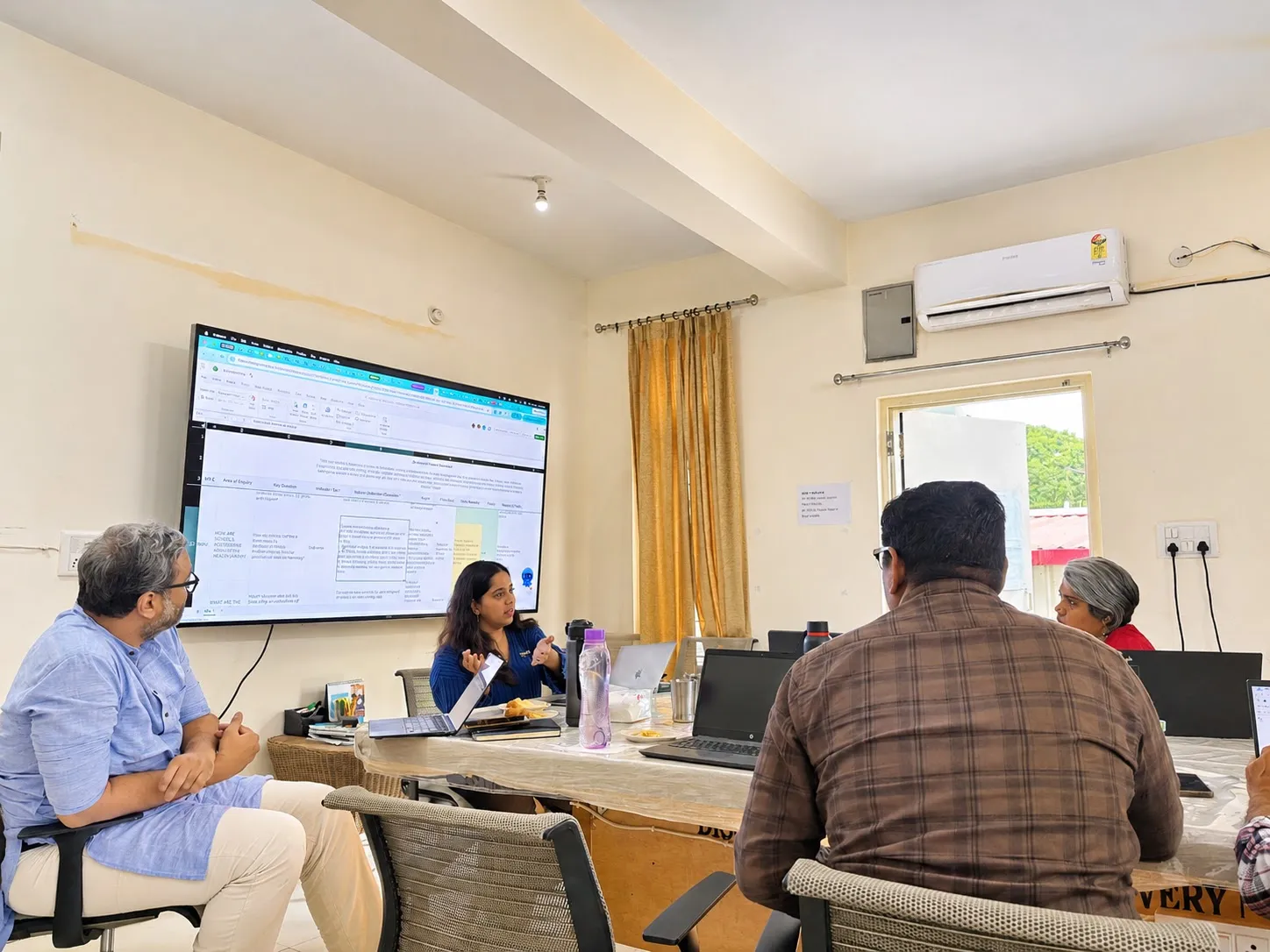
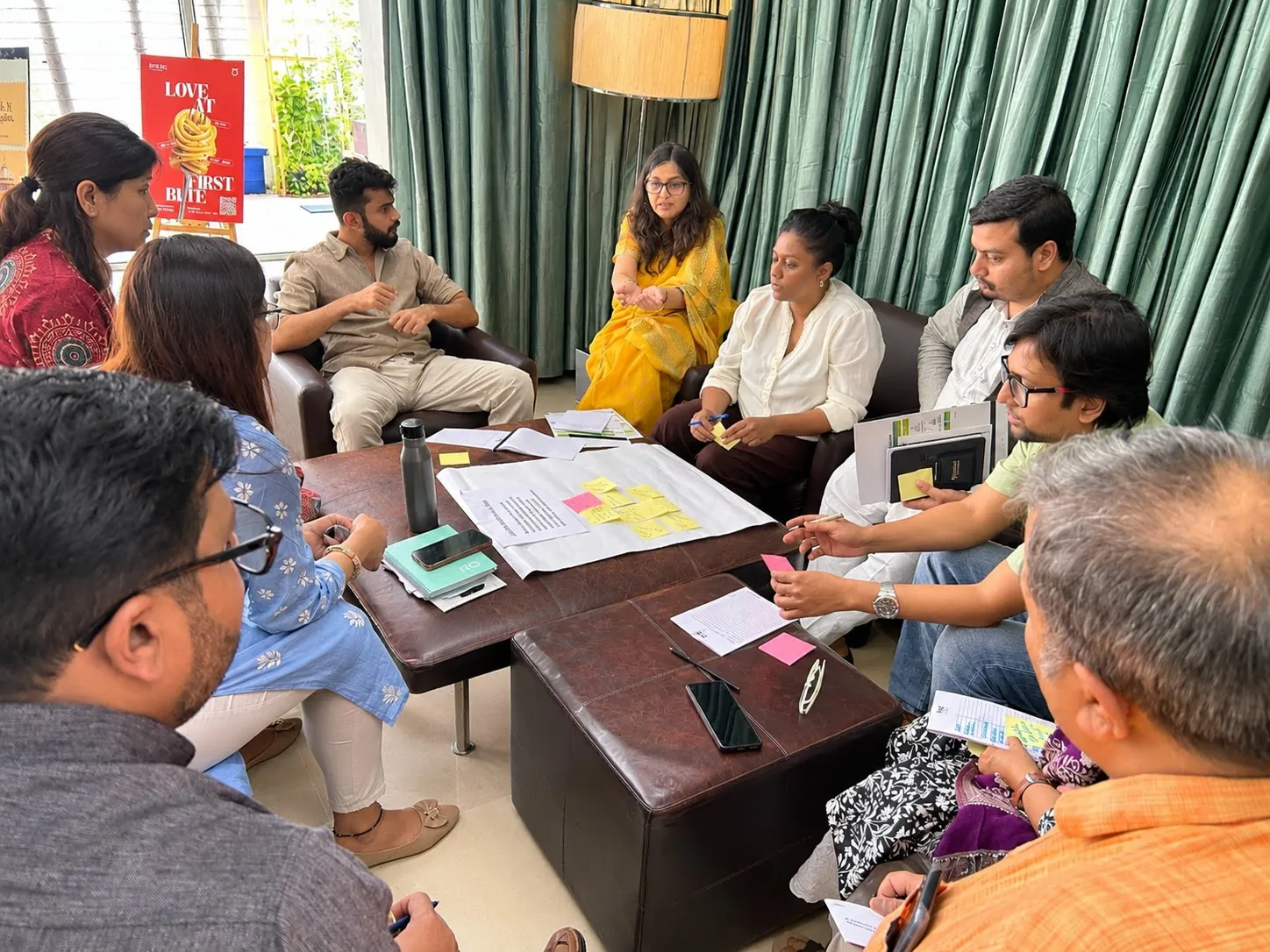
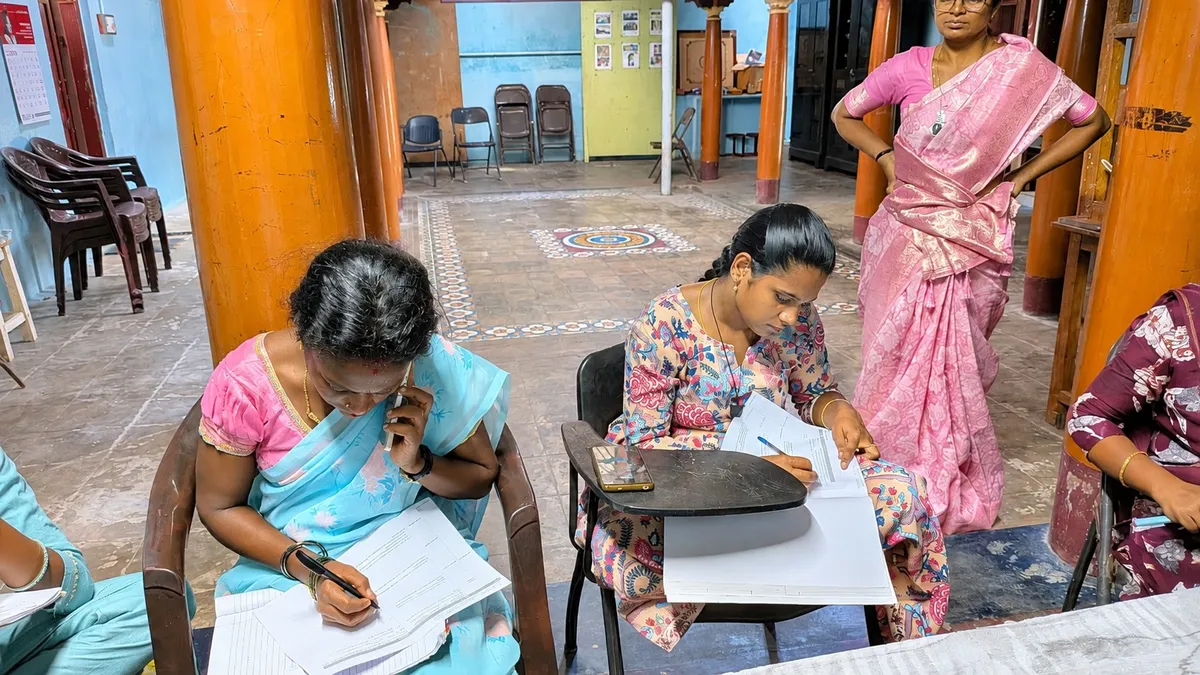
Through focus group discussions and interviews with teachers and programme leaders, we drafted the high-priority questions the data needed to answer. Every data point was held to one test that we kept returning to: if we collect this information, what action will it help us take?
2. Agreeing on Common Competencies
Teachers revised their assessment sheets together, removed repetitive activities and aligned around a common set of competencies. We then streamlined attendance and assessments into two data-entry sheets per teacher, while keeping the flexibility to change activities from one term to the next.
3. Making the Dashboard Feel Familiar
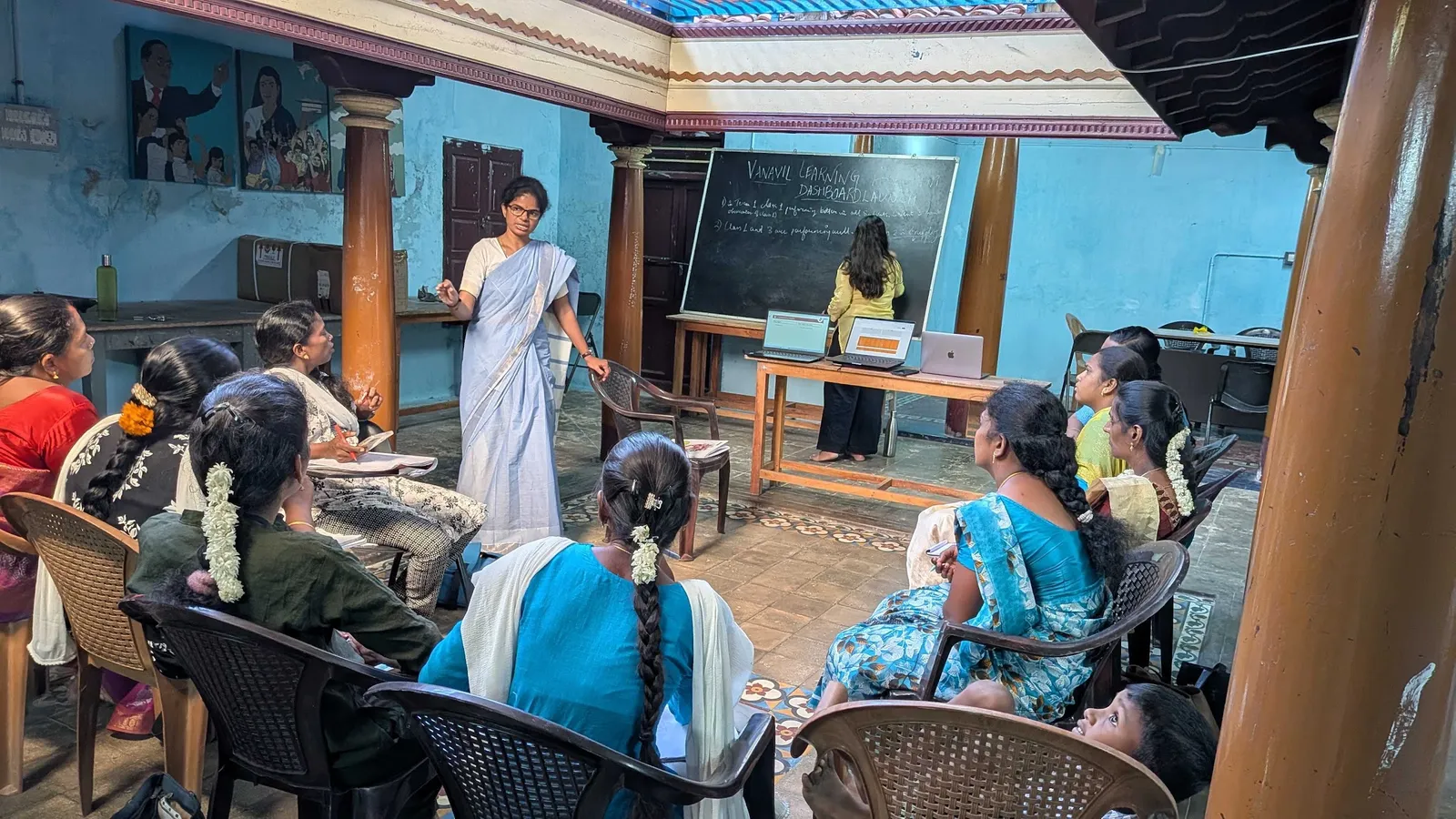
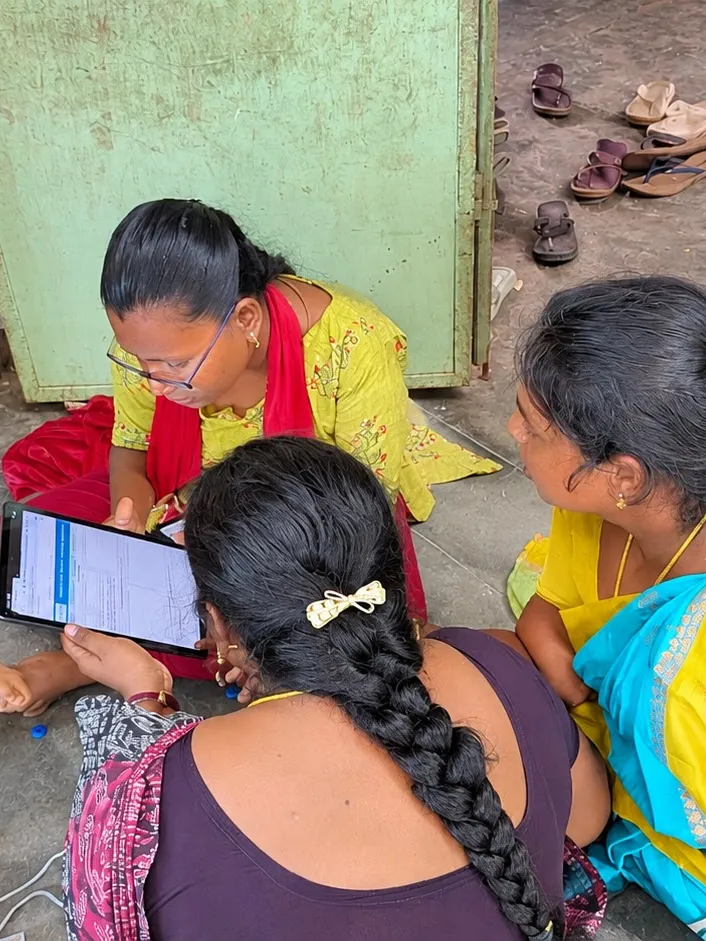
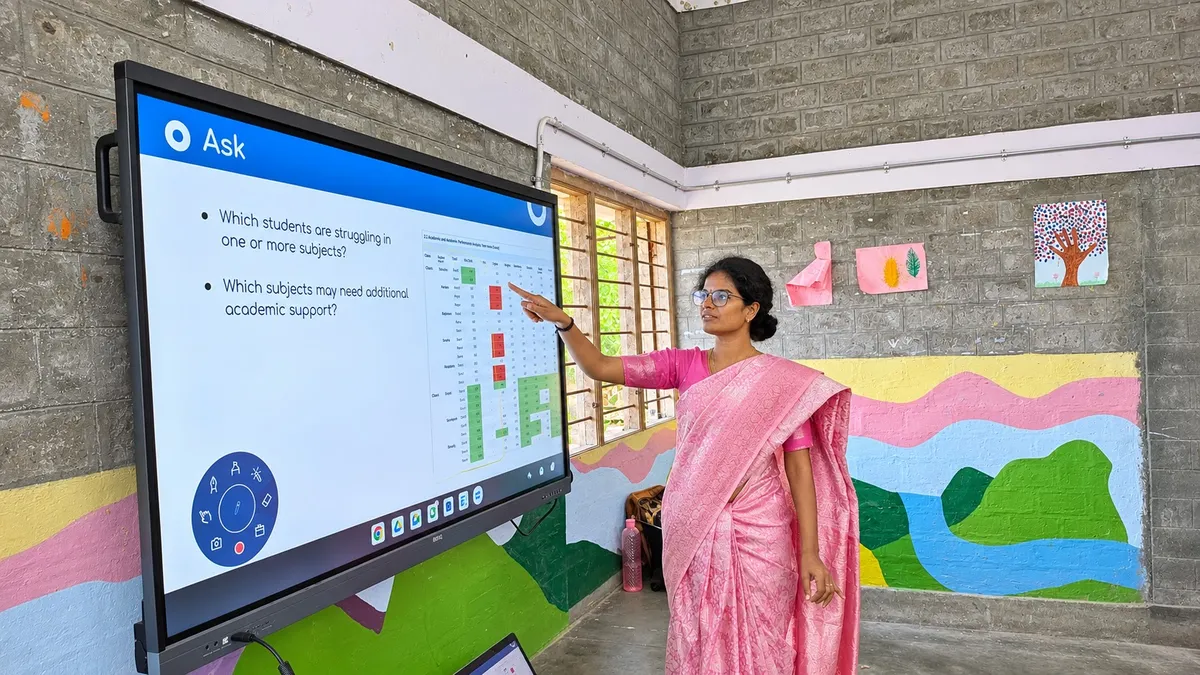
The dashboard that emerged compares learning across grades, subjects and terms, alongside nutrition indicators such as children at risk of malnutrition. During orientation and data-entry training, teachers who had first felt overwhelmed grew comfortable navigating it, because it reflected work they already understood.
- Two data-entry sheets per teacher, instead of many scattered ones
- A common set of competencies agreed by teachers, with repetitive activities removed
- A dashboard comparing learning across grades, subjects and terms
- Nutrition indicators, such as children at risk of malnutrition, tracked alongside academic progress
- Assessment conversations shifted from what data to collect to what will help the team decide better
- Early conversations on bringing socio-emotional learning into a structured assessment framework
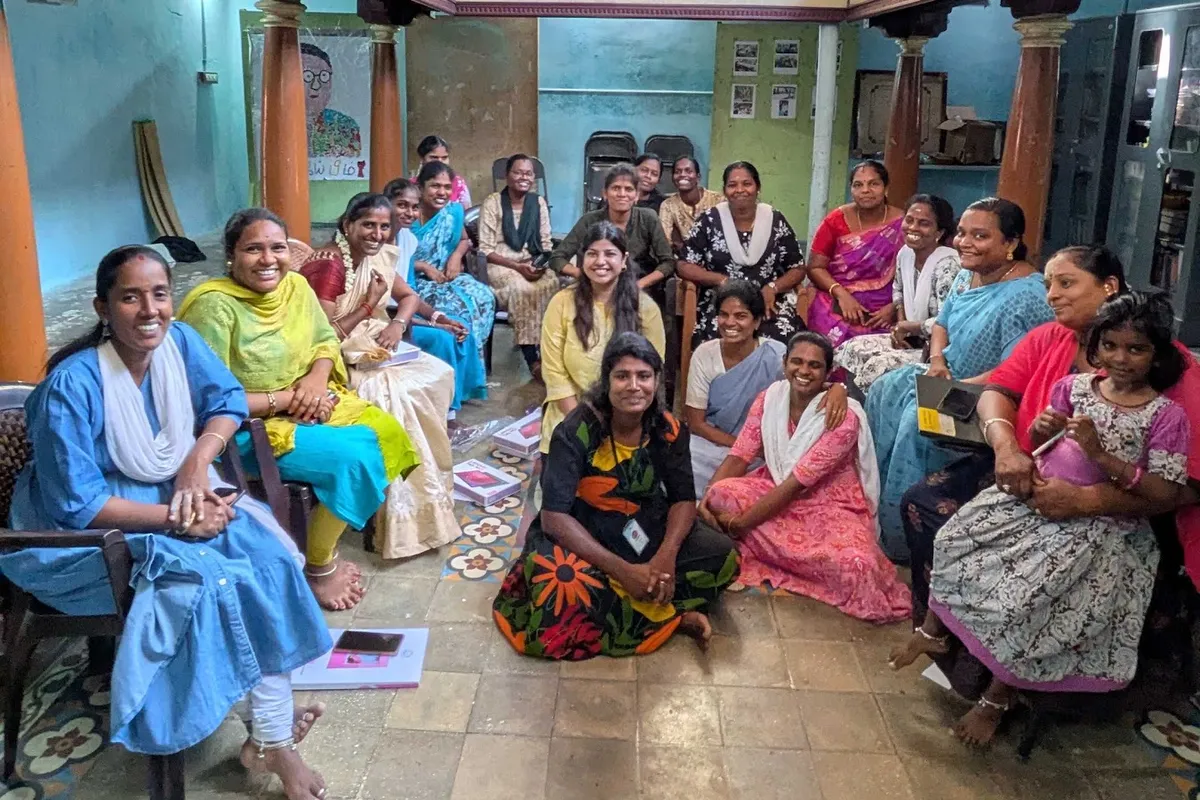
Many small nonprofits assume that an impact monitoring system needs complex software, dedicated data teams or deep technical expertise. Vanavil’s journey shows otherwise: once teachers saw that the dashboard reflected work they already understood, it stopped feeling intimidating.
The most important step wasn’t choosing the right software or collecting more data, but agreeing on what mattered enough to measure. In the end, this project wasn’t about helping Vanavil measure more. It was about helping them decide what was truly worth measuring.
We can now spot issues as they happen, not months later. The fact that Goalkeep made us think about this is itself valuable.