


EducationBuilding organizational impact dashboard
Peepul
Common definitions, organisation-level indicators and a leadership dashboard brought eight programmes in two states into one picture.
We work with programme, MEL and leadership teams to clarify the outcomes that matter, the questions your data needs to answer, and the evidence required to answer them.
Tap the ones that seem relatable to you.
Nothing tapped yet.
Tap any note that rings true for you.
our approach
Before we talk about indicators, tools or dashboards, we sit with your Theory of Change and ask whether it still describes the work your teams do today. Programmes tend to evolve quickly at times, and indicators and measurement frameworks are often left behind in the priority list of things to do. We come in to make sure your systems accurately still reflect your Theory of Change.
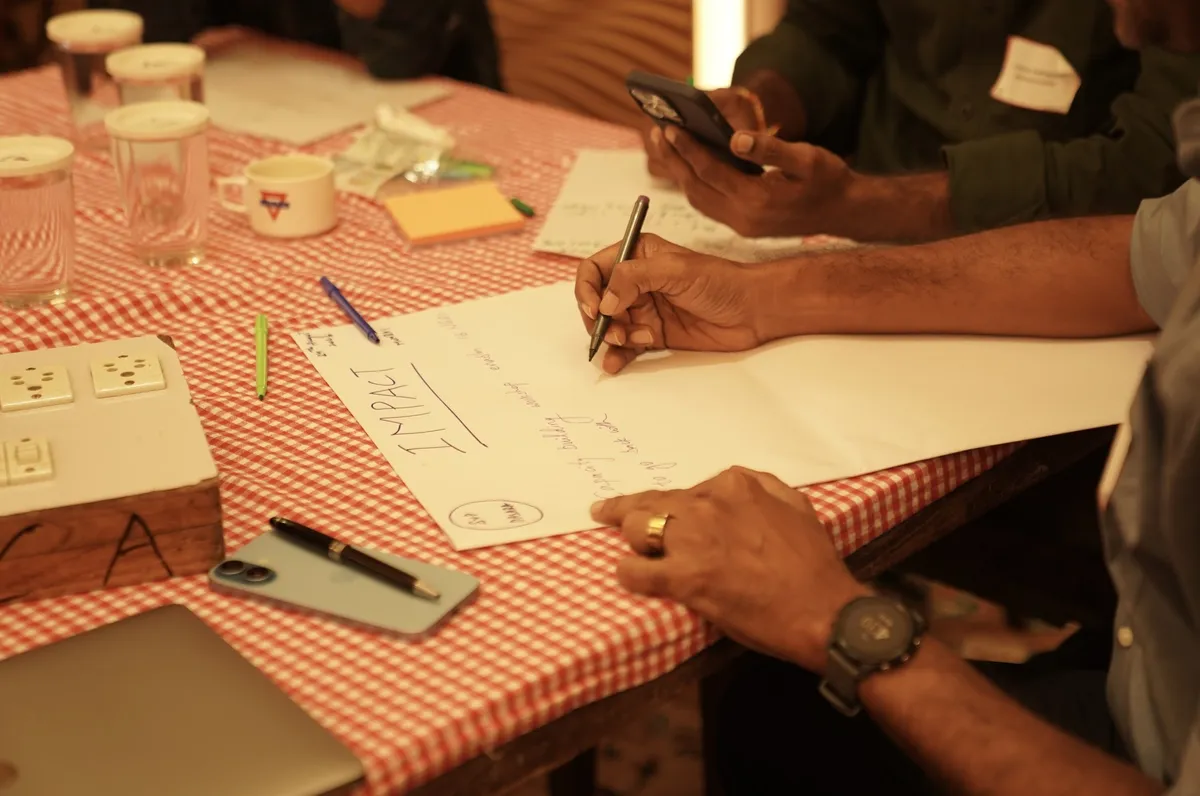
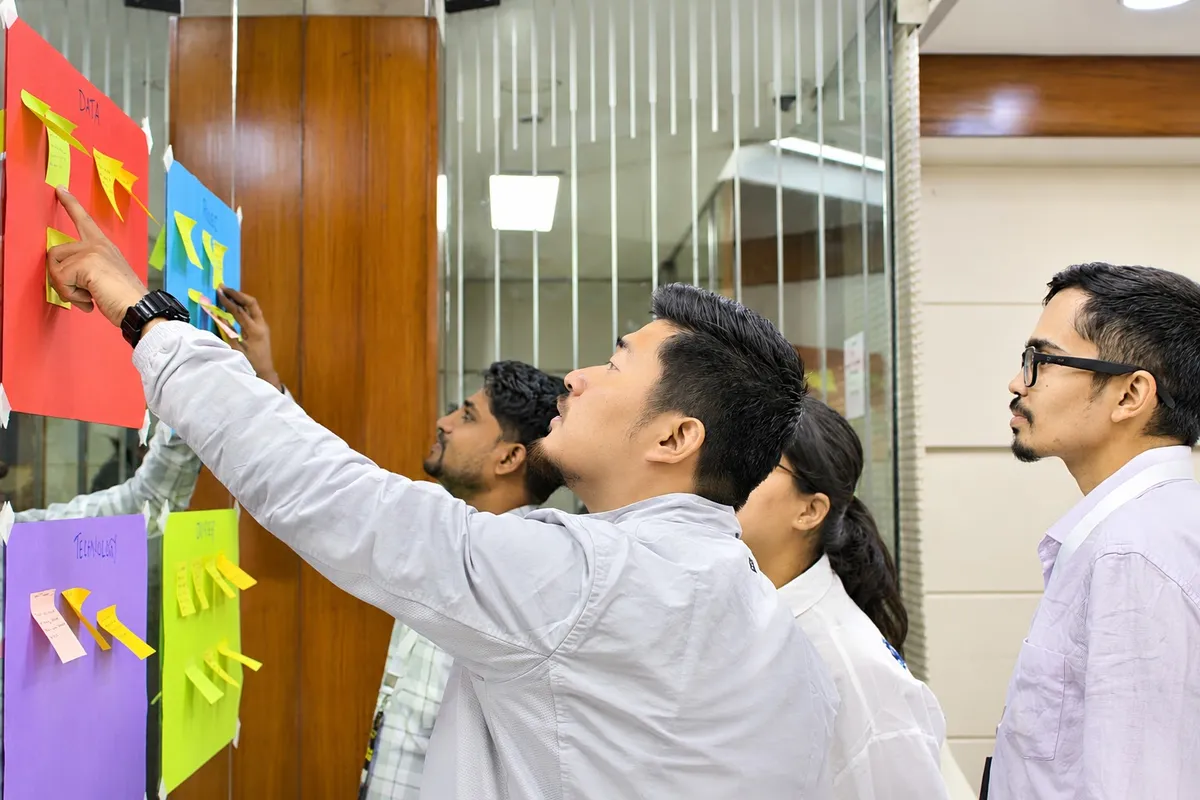
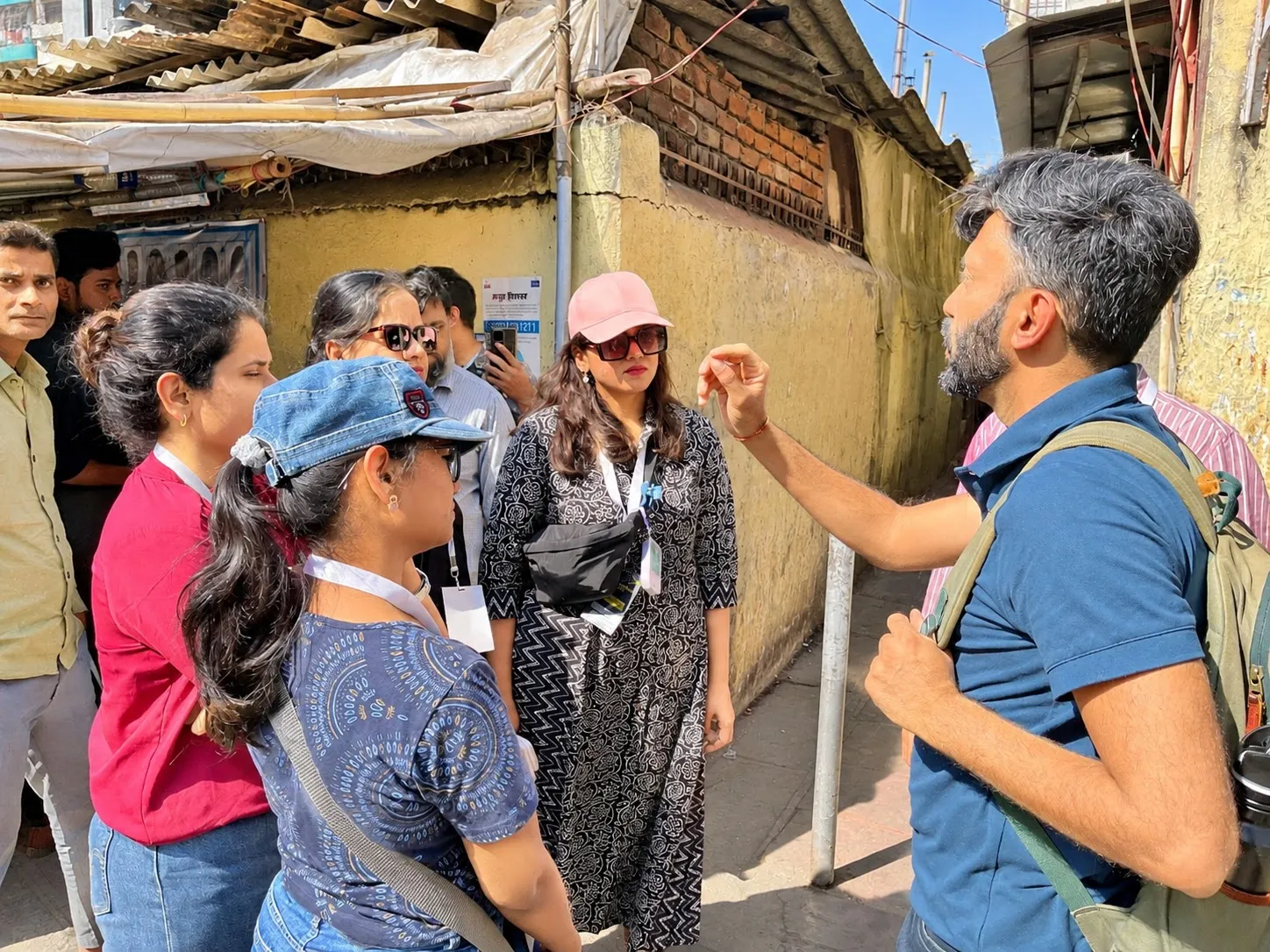
We spend time with the people closest to the work, from leadership to programme and field teams, to understand how each one collects data, defines success and reports outcomes. We visit field offices where we can, because for our work, we need to understand how and why data travels through each level in the organization. This shows us where definitions overlap, where they have drifted apart, and what has stood in the way of alignment before.
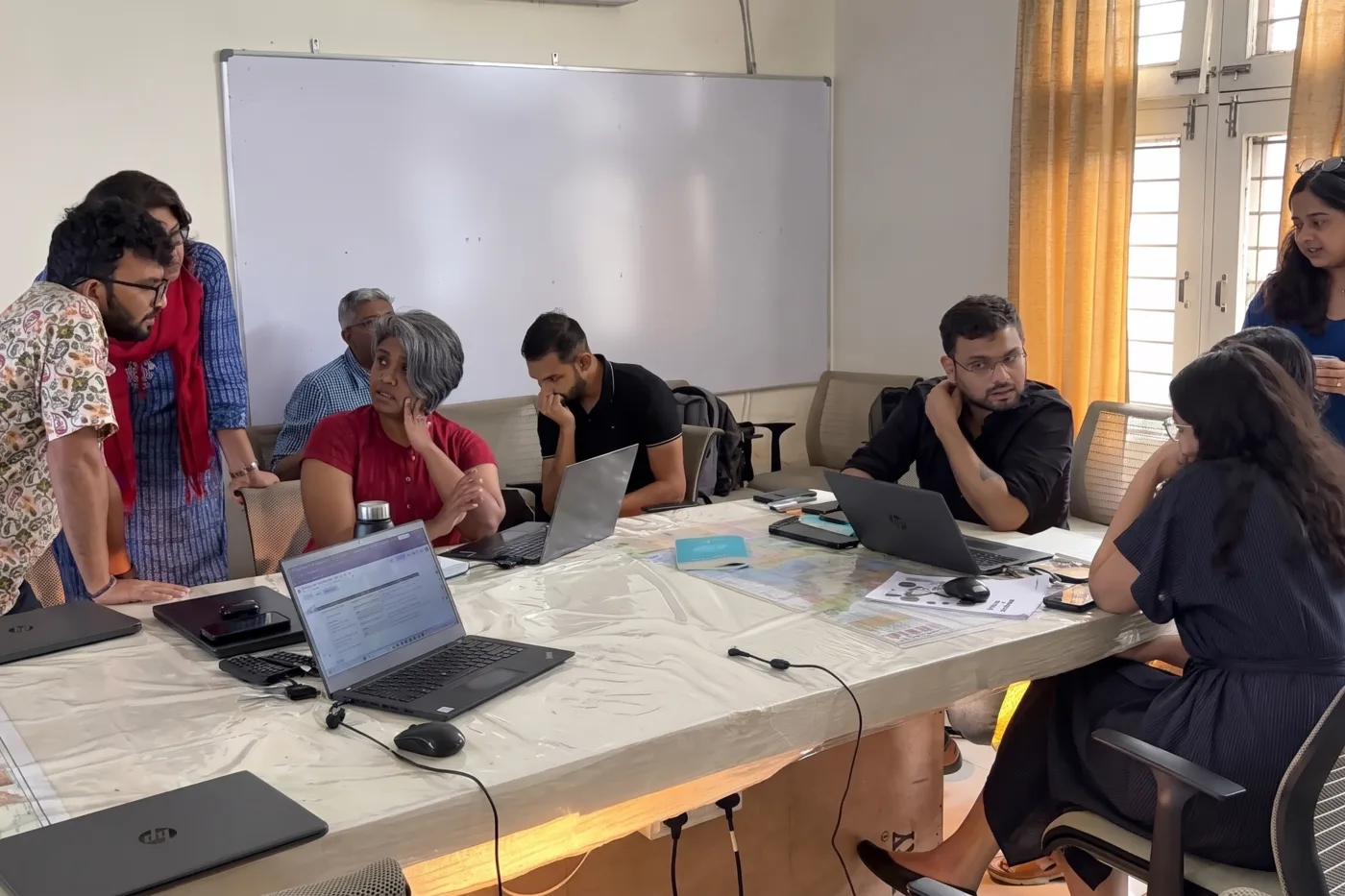
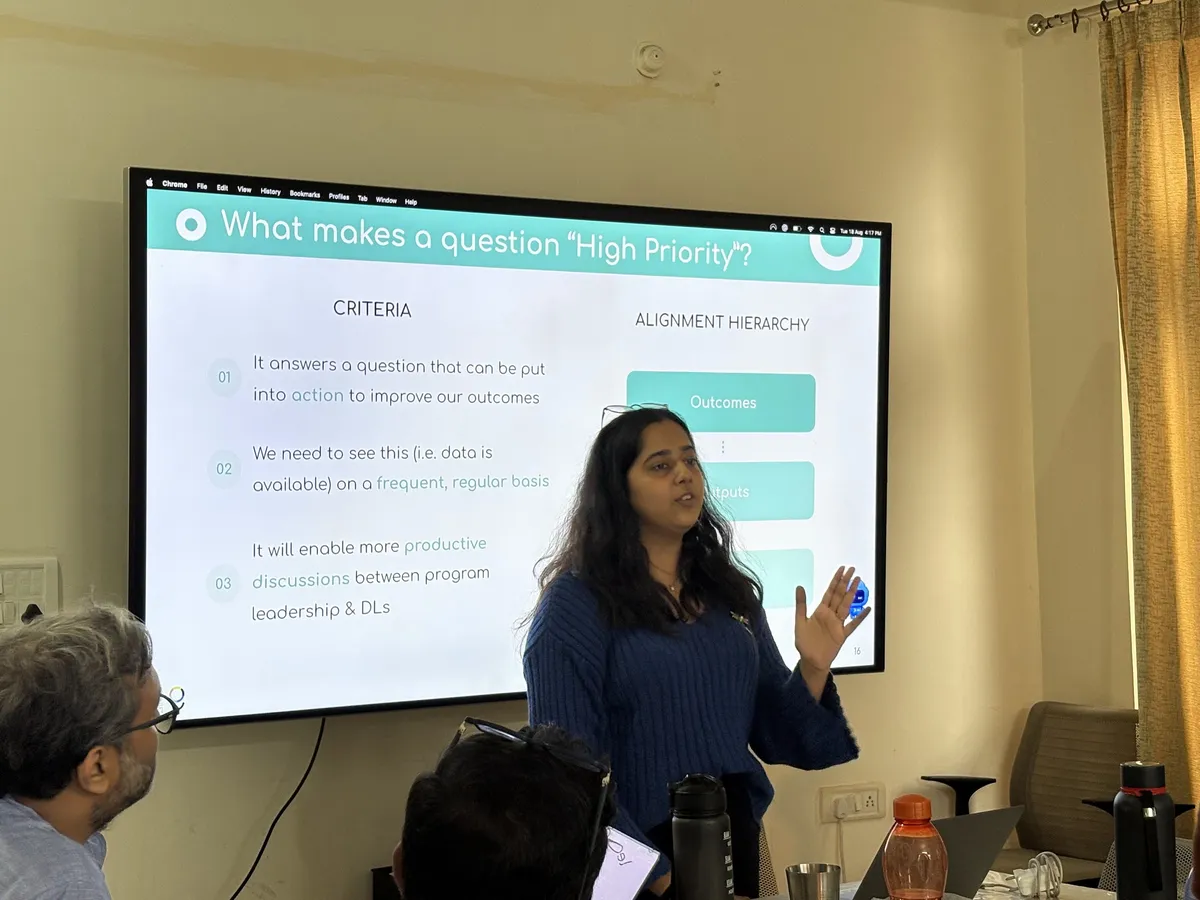
With leadership and programme teams, we identify the key questions your data needs to answer, from day-to-day programme decisions to conversations with funders. We then map each question to a focused set of indicators, with clear definitions, data sources and collection methods, so you measure what you need and nothing more.
A refined programme-level or organisation-level Theory of Change
A prioritised outcome and indicator framework
Guidance on data methods, sampling, frequency and disaggregation
A diagnostic assessment of current tools and legacy data
A reporting framework for communicating learnings and insights
A phased roadmap with clear ownership and next steps
indicative duration
Depending on the number of programs in scope, the stakeholder groups involved, and the maturity of your existing framework.
Weeks
We work with you to measure what matters, map your organisation's ToC to key indicators, and create a data strategy for your organisation that is both practical and effective.
Build an integrated data system that is easier to use today and strong enough to grow with you. We bring data entry, analysis and insight into one connected system, shaped around your programmes, roles and workflows.
ExploreBuild dashboards that answer real questions, not simply display available data. We start with what questions you want your data to answer for you, and then build out a system that effectively showcases that.
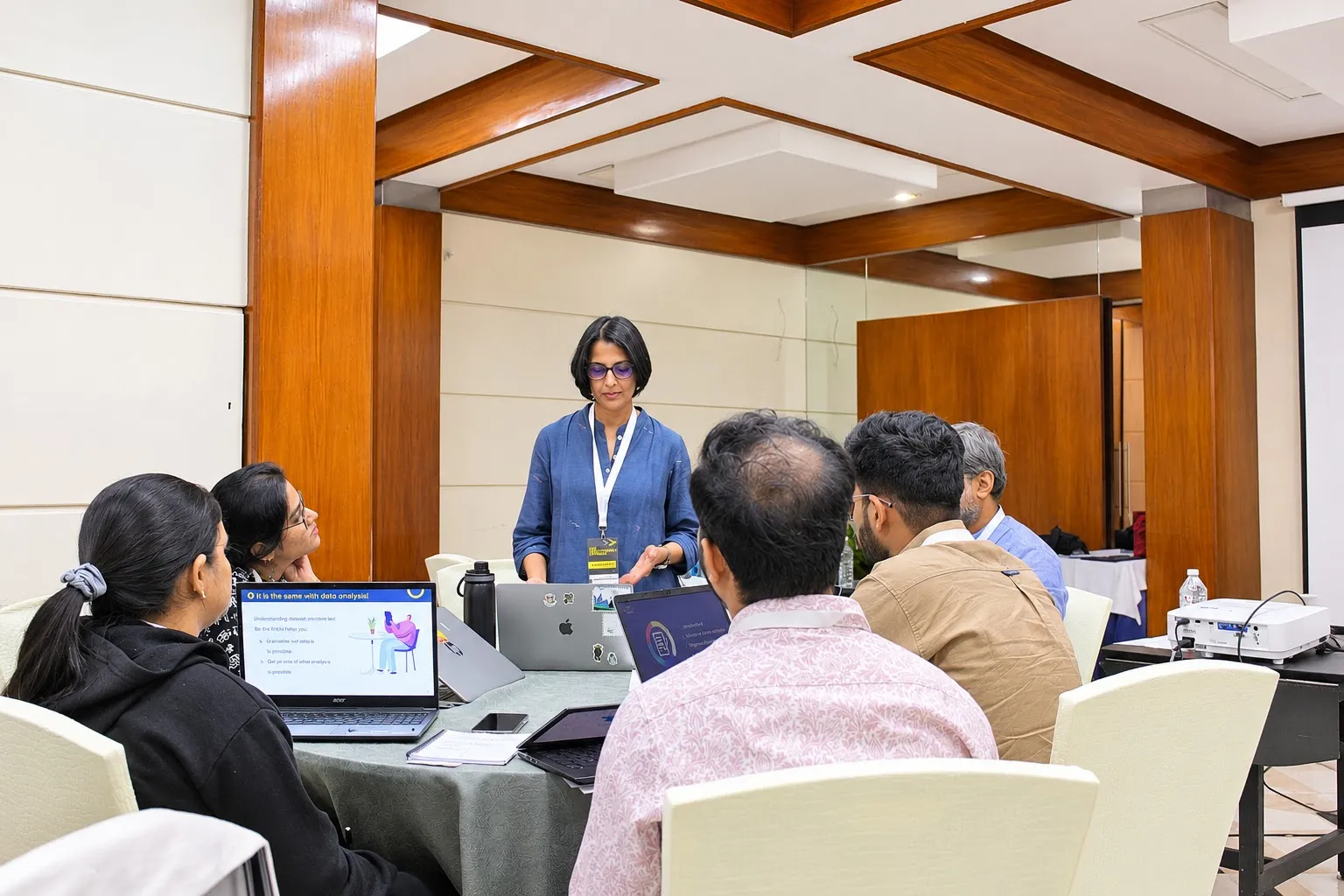
ExploreBuild a data-confident workforce across your organisation. We conduct trainings and capacity building workshops that impart practical, role-specific learning. The primary goal is to get people to integrate data in their everyday work, so that it becomes a habit rather than a one-off event.
Explore