
Skip to content
Partner with us

Build a data-confident
workforce within your
organisation.

The Data Literacy Program is Goalkeep’s train-the-trainer program for strengthening data capability across social-purpose organisations. Over a 3-day workshop, participants build foundational skills in interpreting, analysing, visualising and communicating with data, so they can run trainings within their own organisation.

Data Literacy Program · next cohort begins January 2027
Who it’s forData-mature organisations that struggle with adoption
Next cohortBegins January 2027. Register your interest now.
The format3-day immersive workshop followed by a 3-month mentorship program
For fundersMake the program available to organisations in your portfolio

why the program exists

Collecting more data has not automatically helped organisations use it for decision making.

Many organisations now have dashboards, MIS platforms, and robust reporting systems. Yet the ability to interpret and act on the information often stays with a small number of MEL or data specialists at best. Teams are unsure how to separate important patterns from anecdotal evidence, use insights to inform programme decisions, or decide when AI output can and cannot be trusted when it comes to data.

The Data Literacy Program teaches skills that are

practicalrelevanttransferable
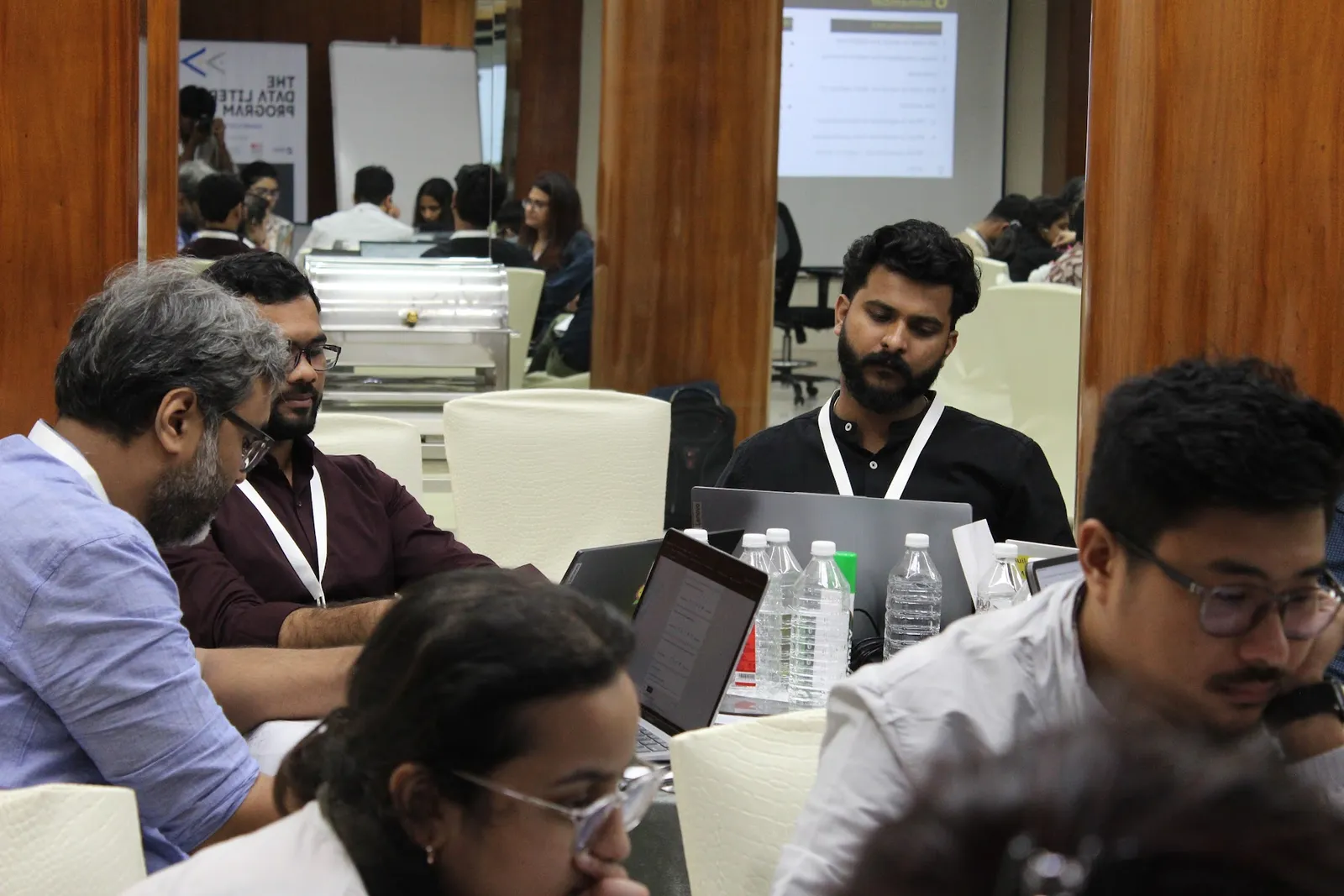
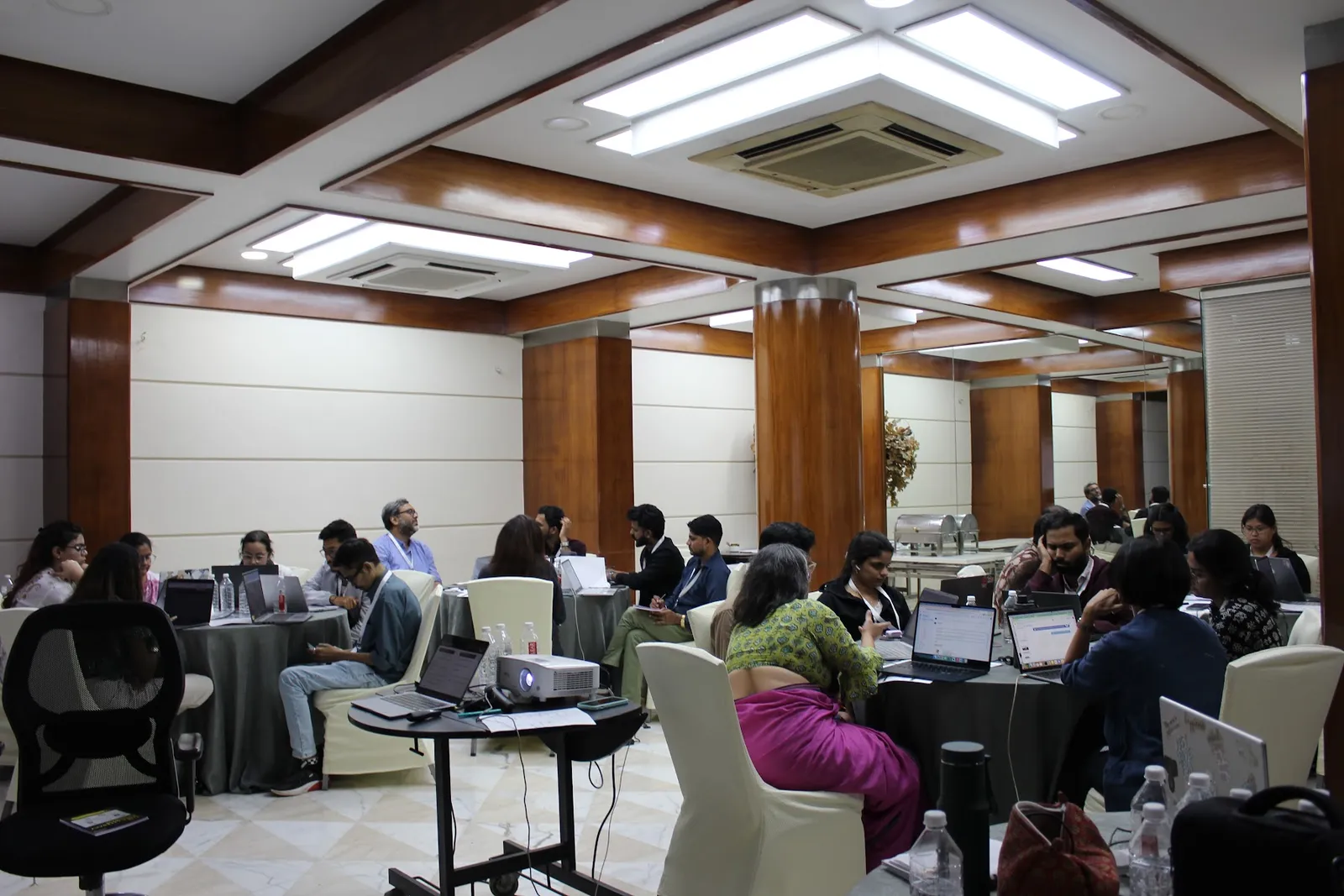
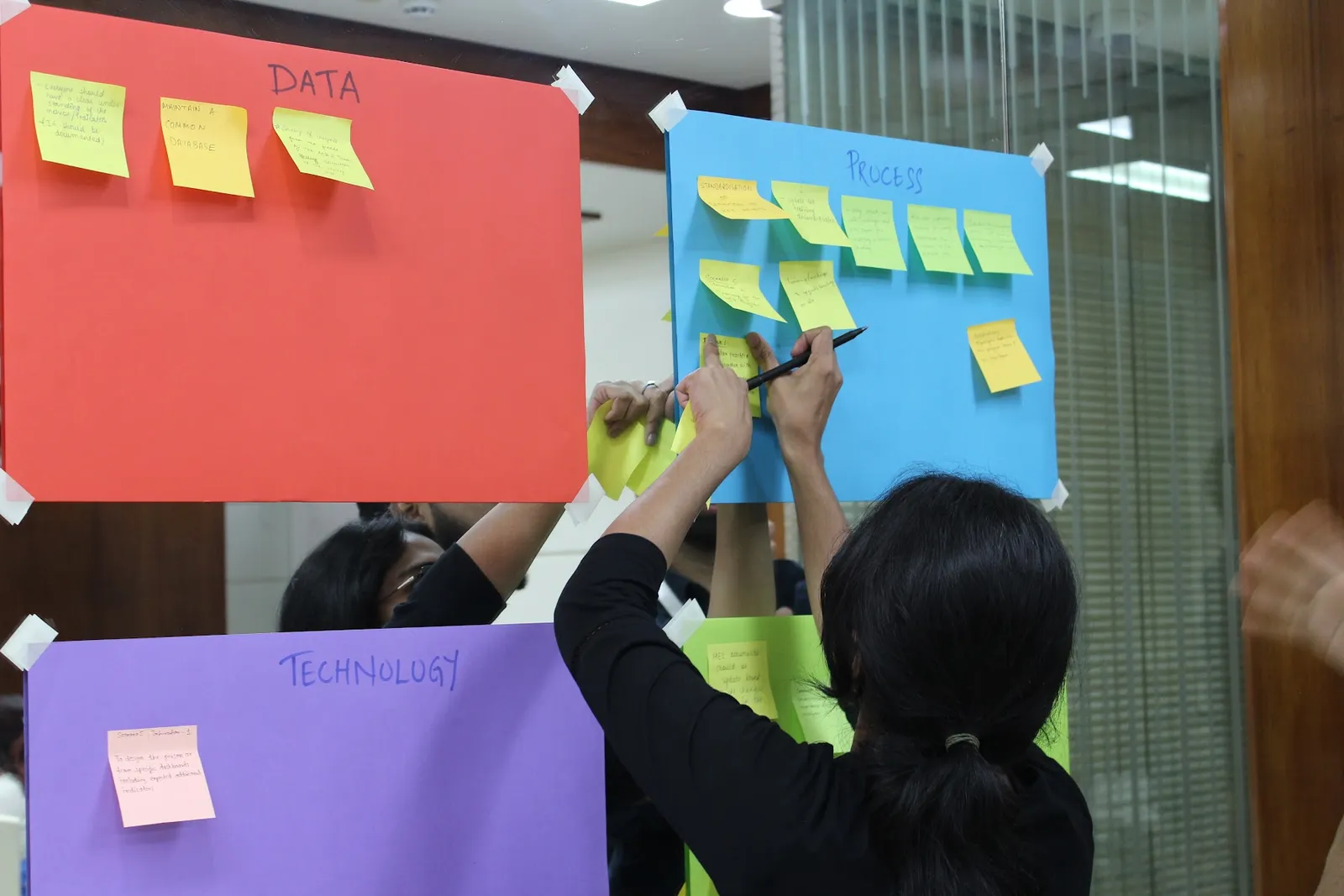
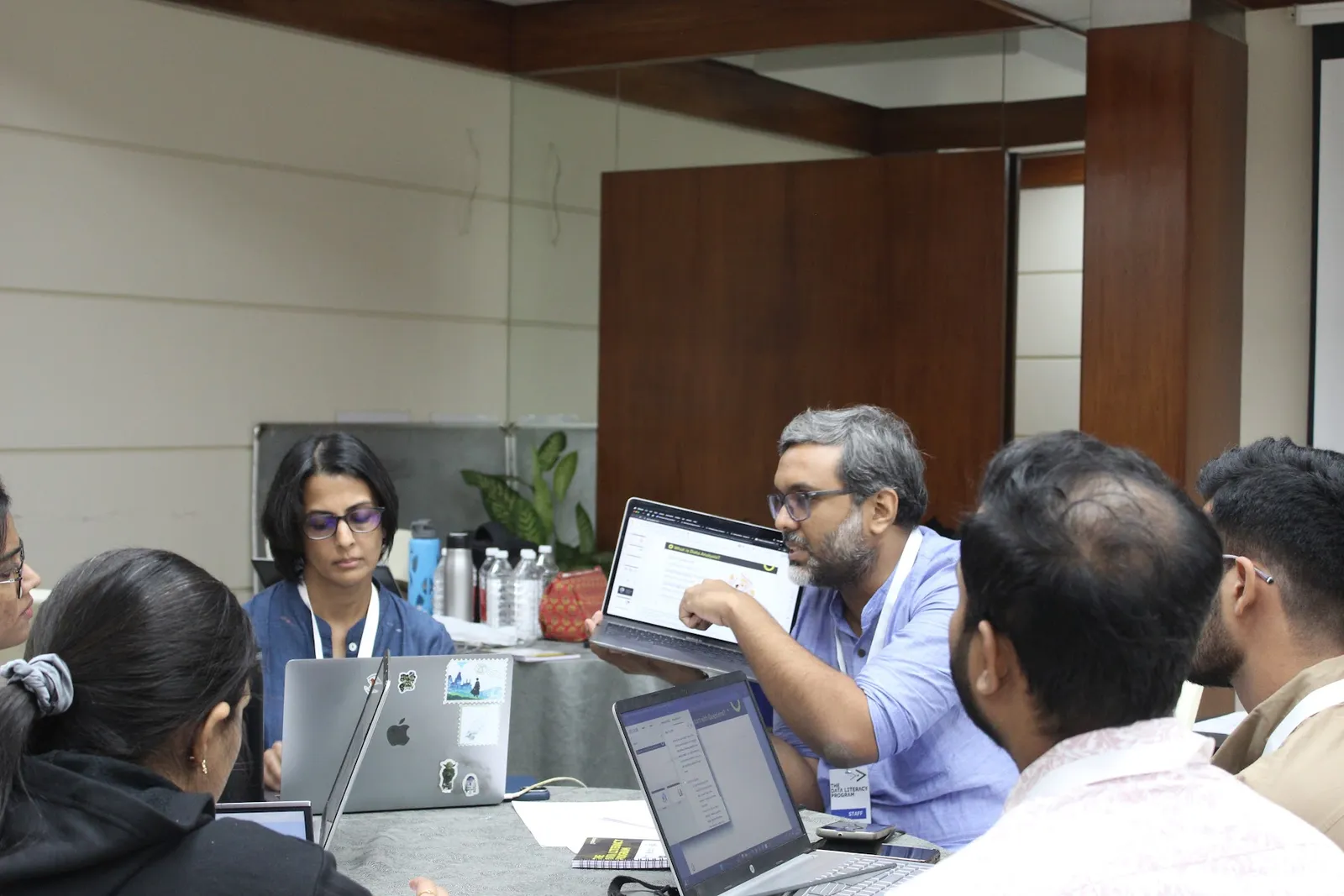
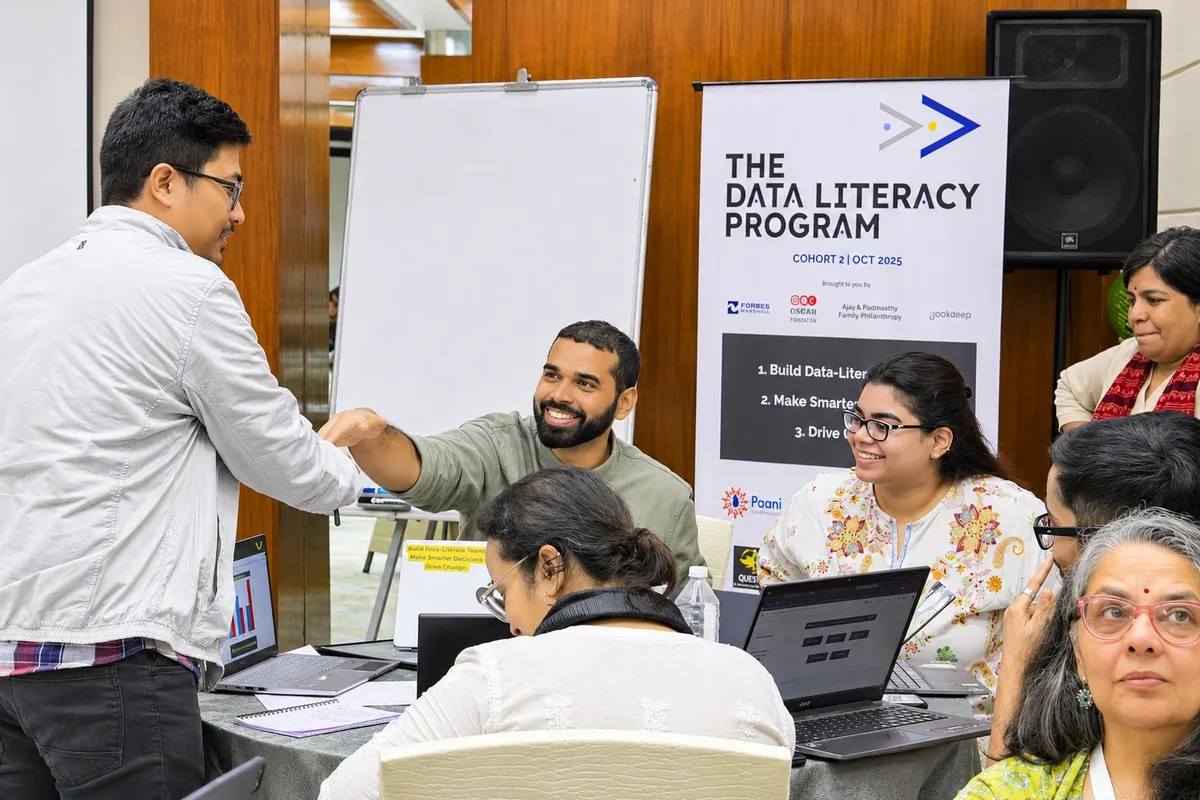
Participants working through an exercise on laptops at round tablesCohort 2 · October 2025
Three participants laughing together over a phone between sessions

Who you nominate

Each organisation nominates two team members.

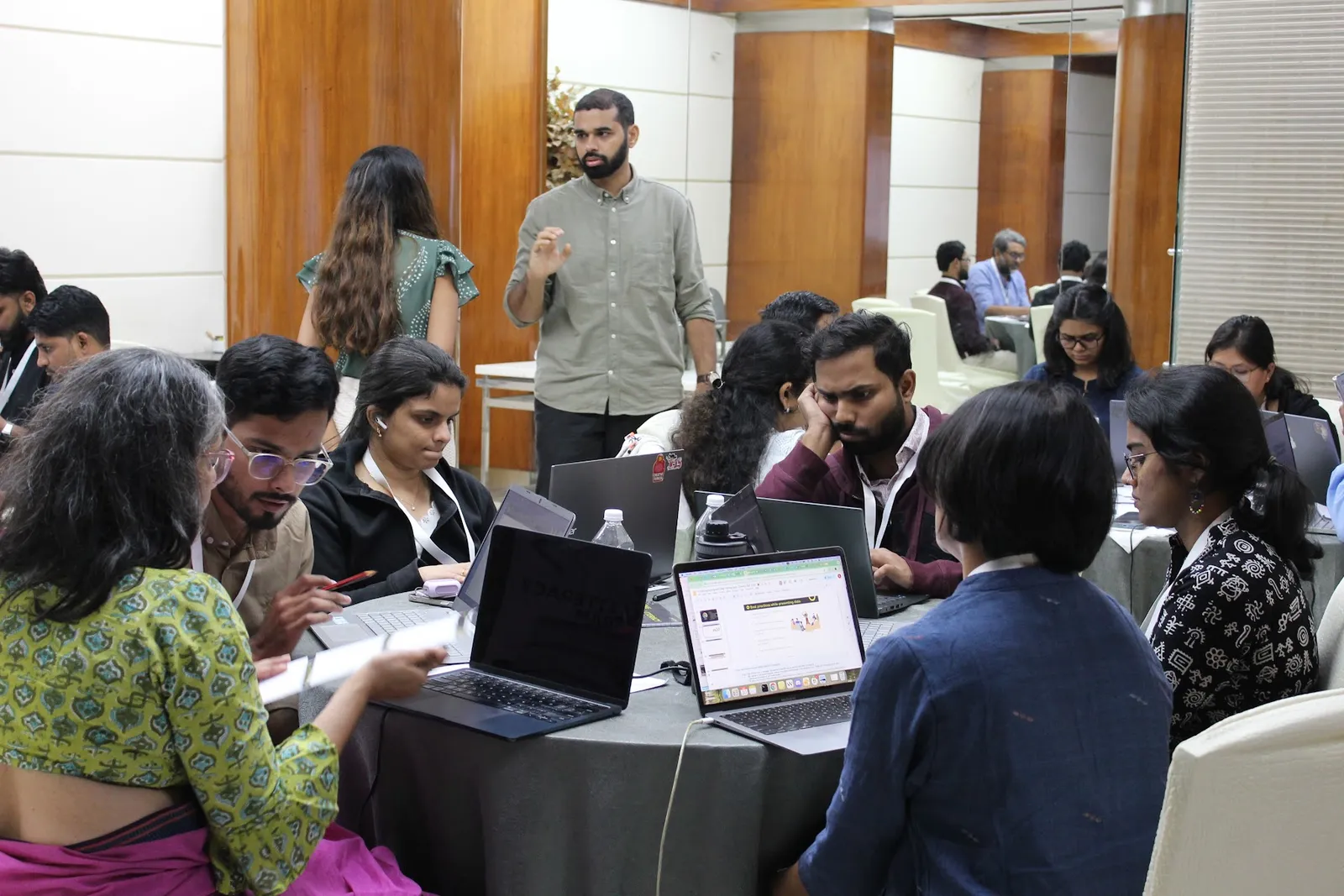
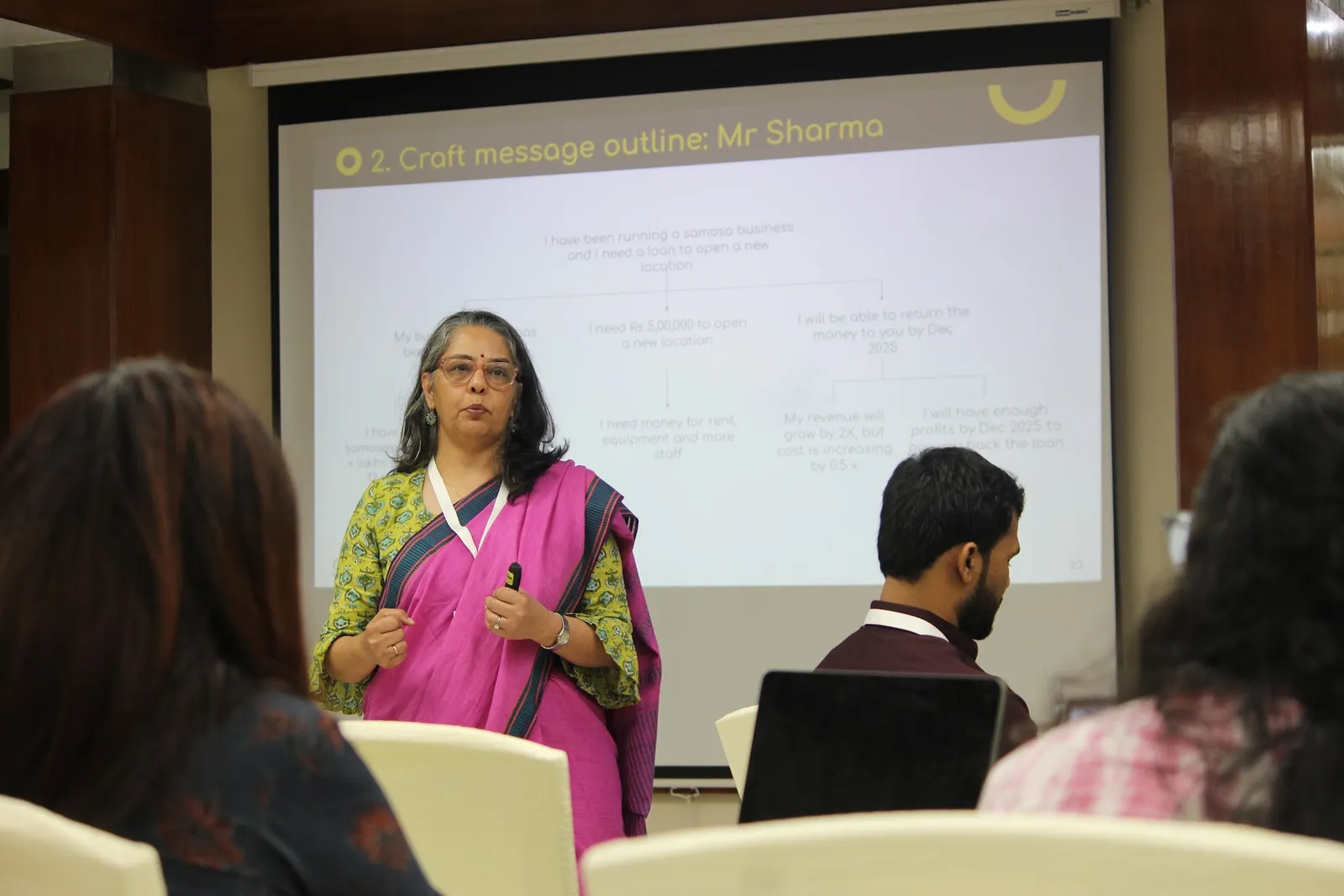
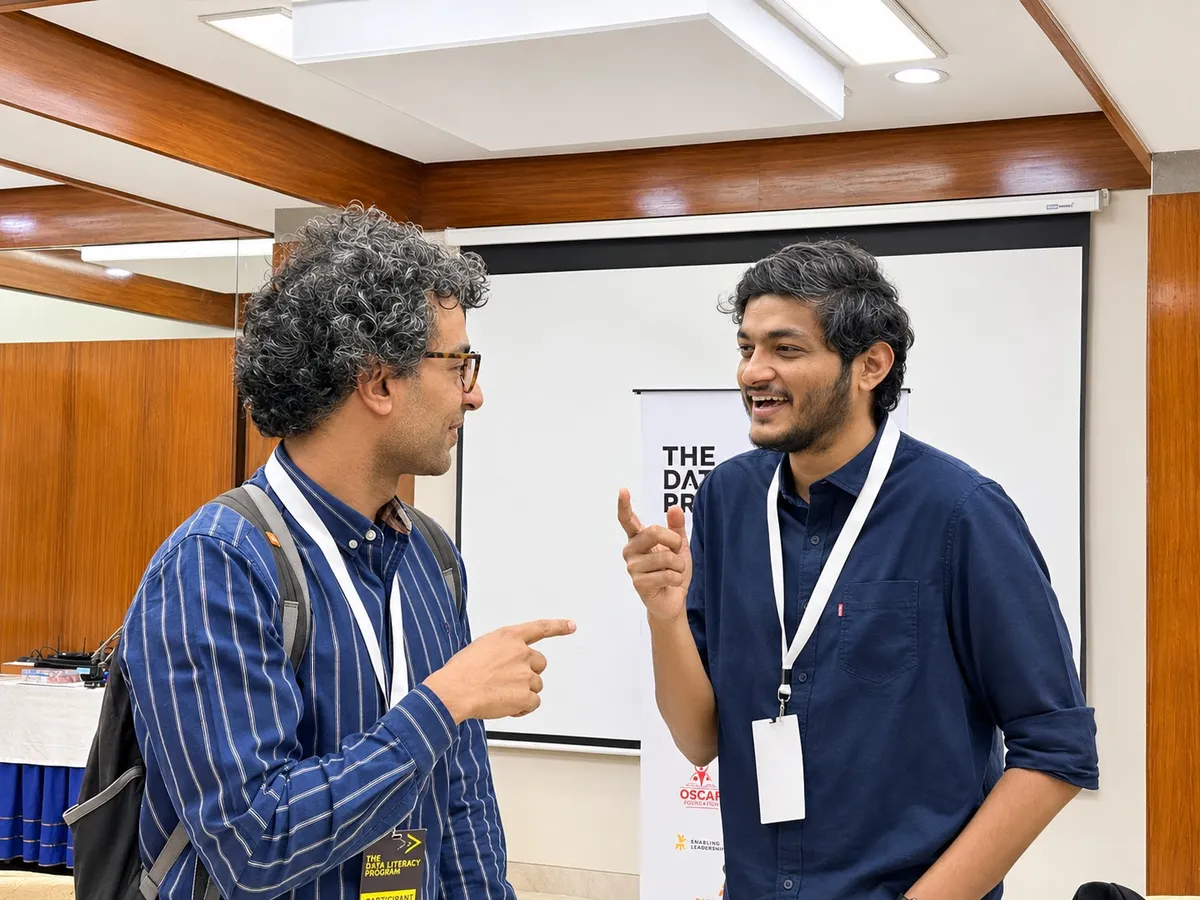
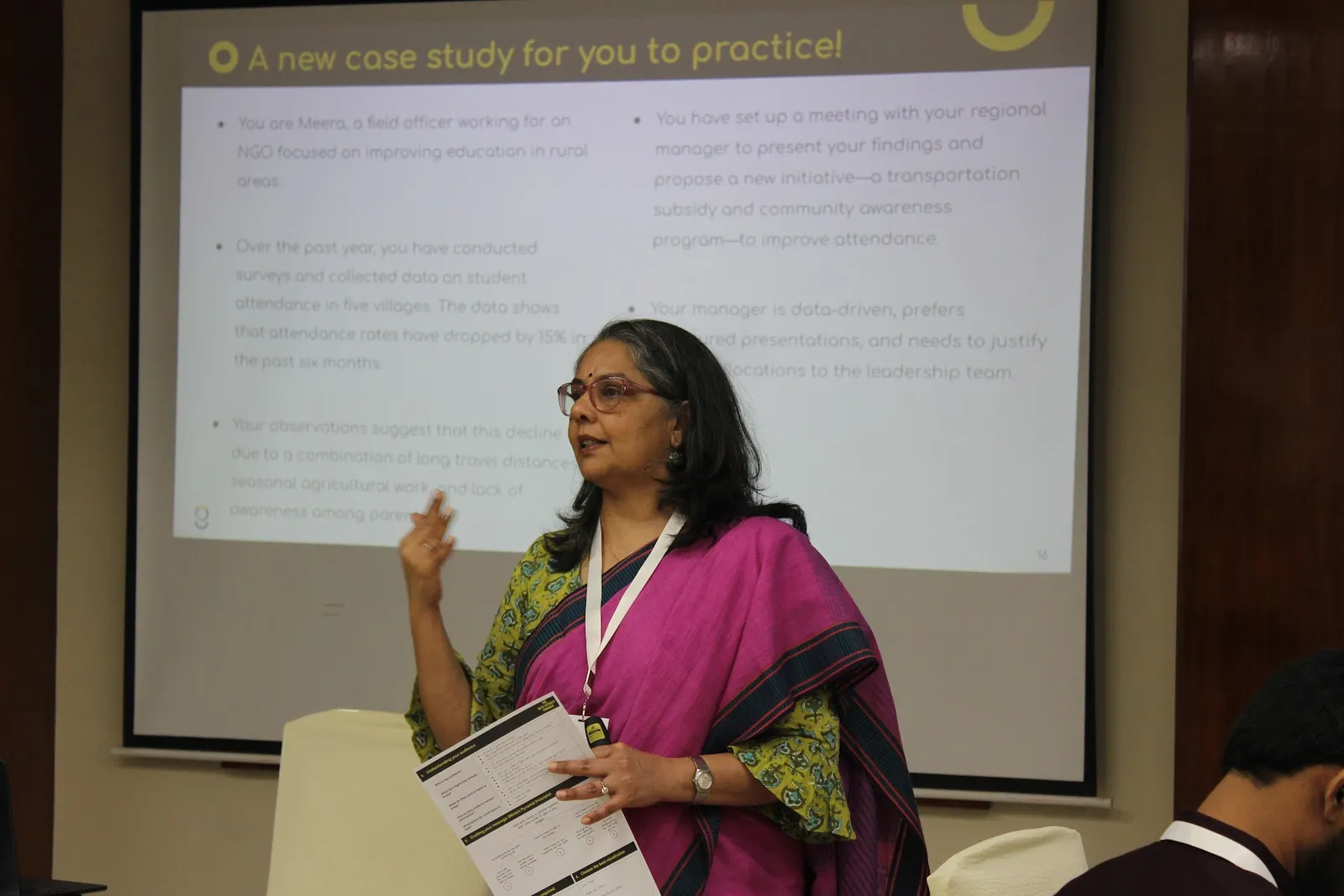
A senior programme leader making a point during a table discussionProgram LeaderOne senior organisational or programme leader
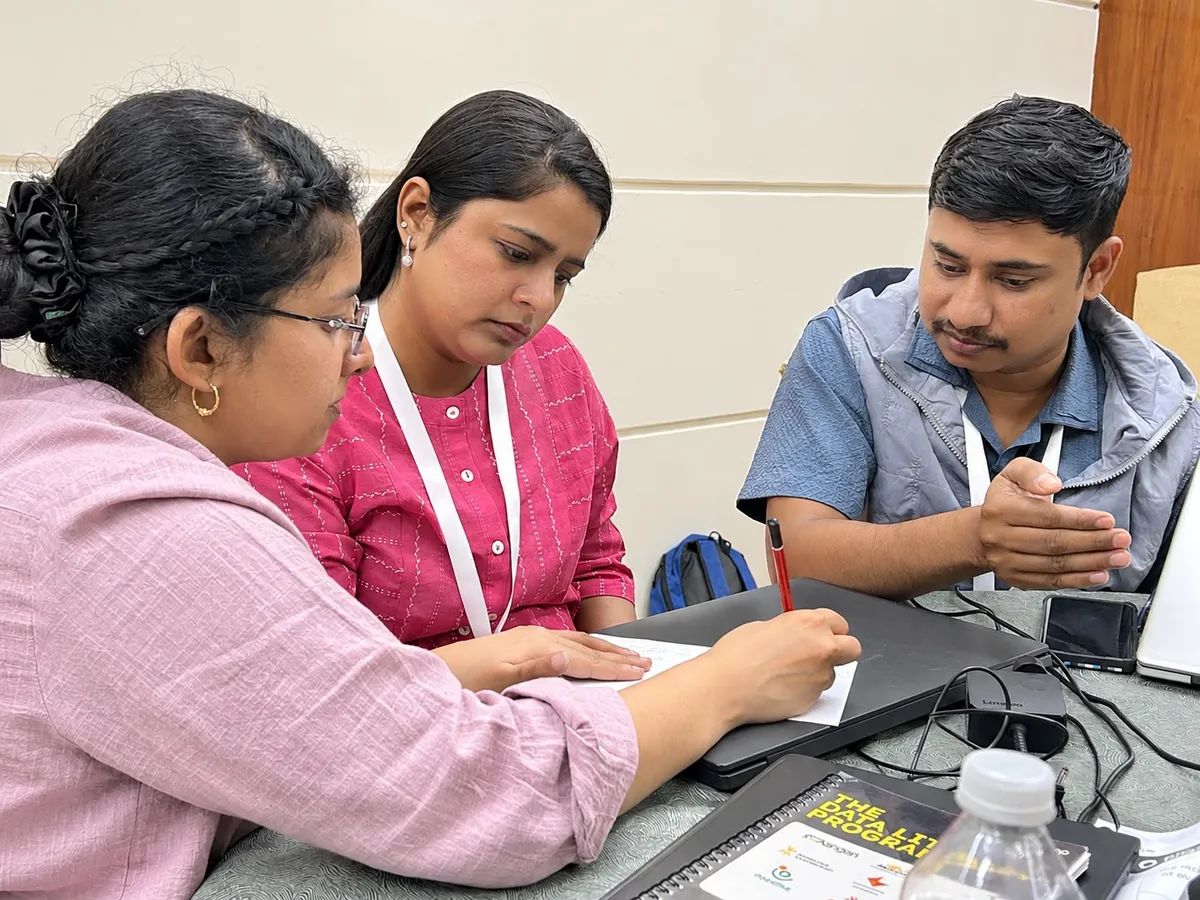
A MEL team member in a pink kurta studying a worksheet with colleaguesMEL team memberOne mid-senior MEL team member

Together, they combine organisational influence with measurement expertise and share ownership of the internal rollout.

who the program is for

The program is designed for social impact organisations that…

what participants learn

Five skills which they can use for real organisational data.
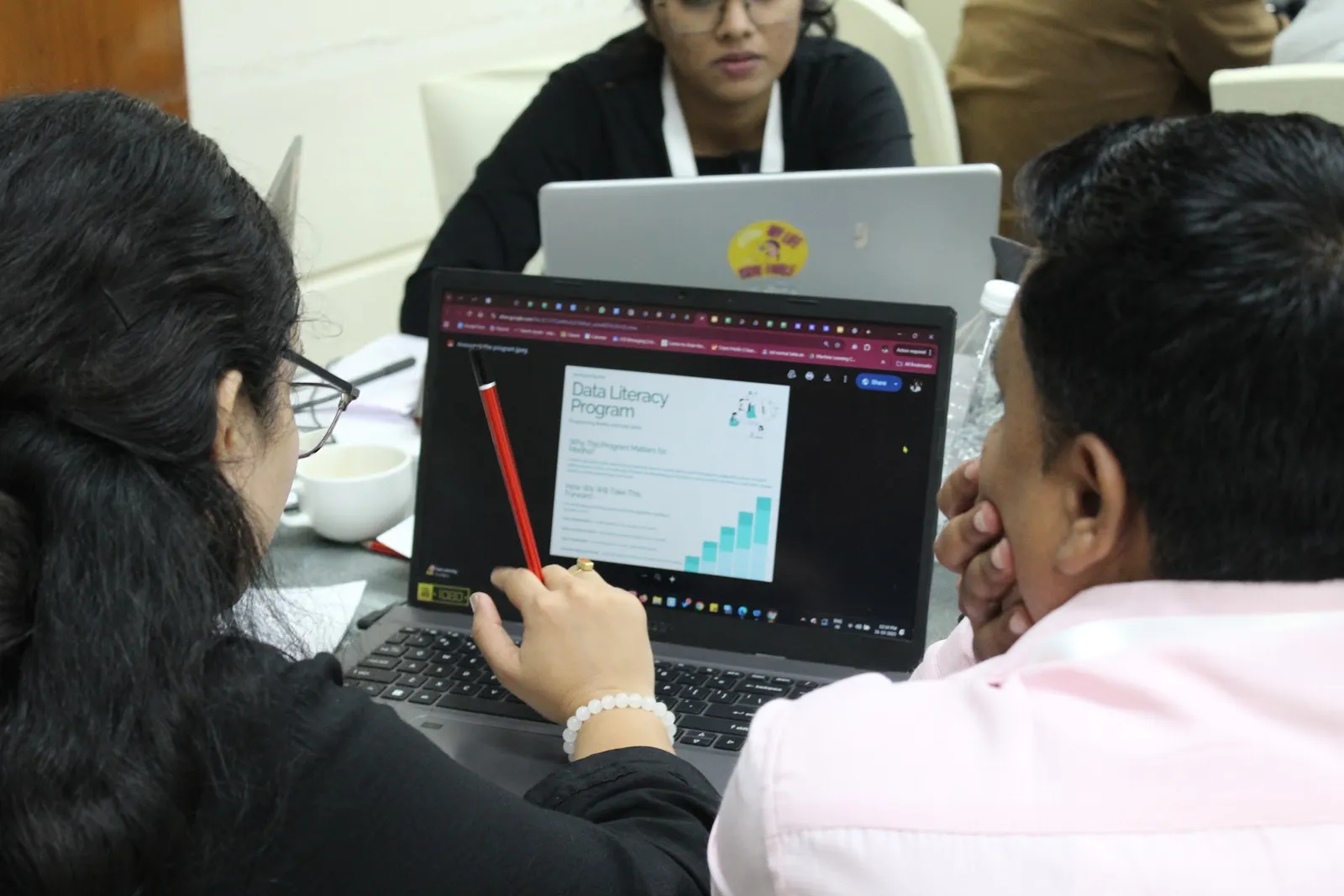
A participant working through numbers on a laptop

Skill 1 of 5

Quantitative data analysis

Ask focused questions, work with numerical information and identify patterns that matter.

A participant working through numbers on a laptop

Skill 1 of 5

Ask focused questions, work with numerical information and identify patterns that matter.
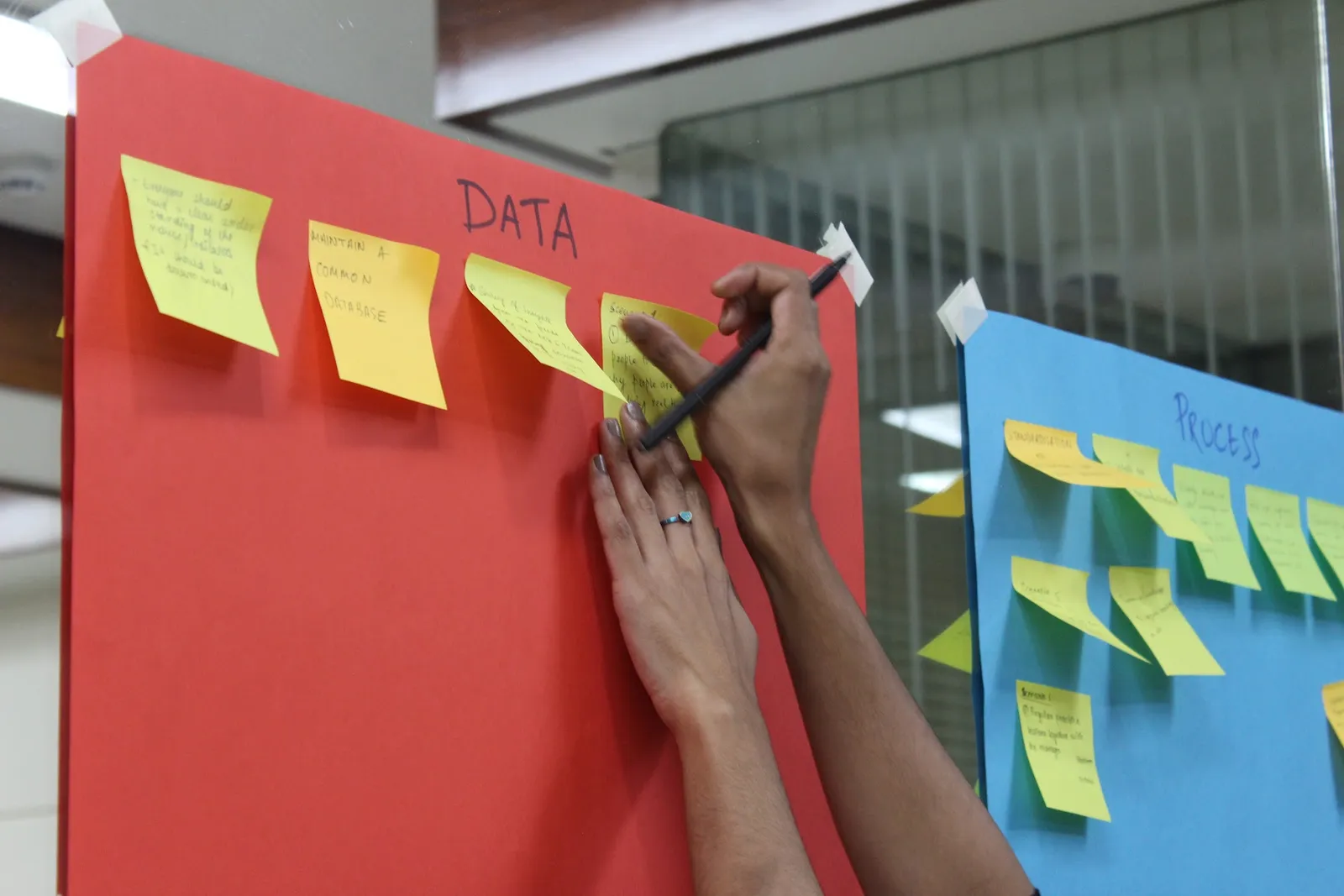
how ai is integrated into the program

Data literacy remains the core capability. AI is an assistive layer.

Participants learn to use everyday AI tools responsibly, keeping foundational data skills, verification and human judgement at the centre. Every skill follows the same three steps.

Build the underlying capabilityLearn what good interpretation, analysis, visualisation and communication look like.
Use AI to strengthen the workUse accessible AI tools to organise information, start an analysis or communicate faster.
Verify through human judgementCheck AI outputs against the evidence, context and purpose before using them.
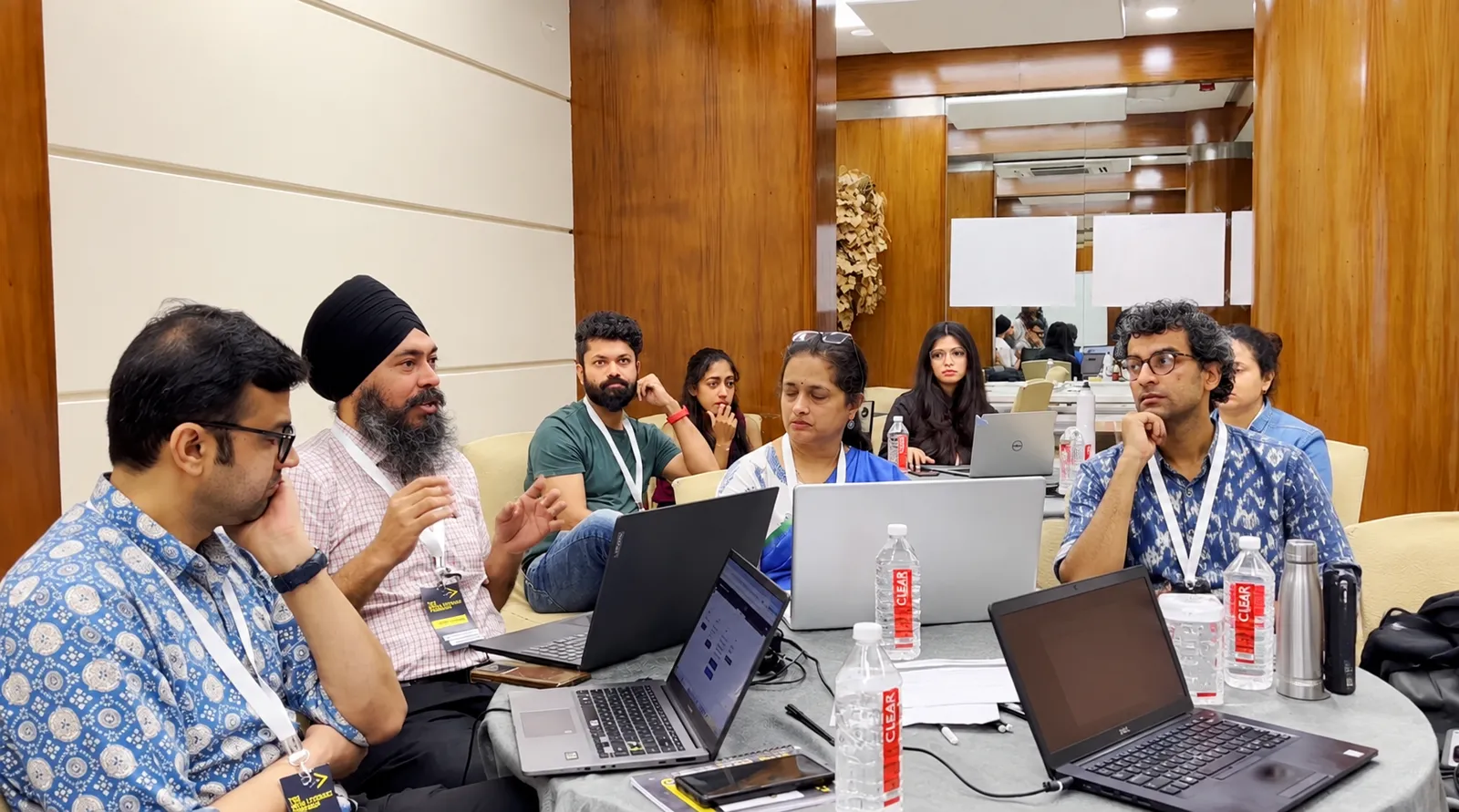
Participants working on laptops around a training tableAnand and a participant working through an analysis together on a laptop

what the program is designed to change

From a skill held by specialists to a habit across the organisation.

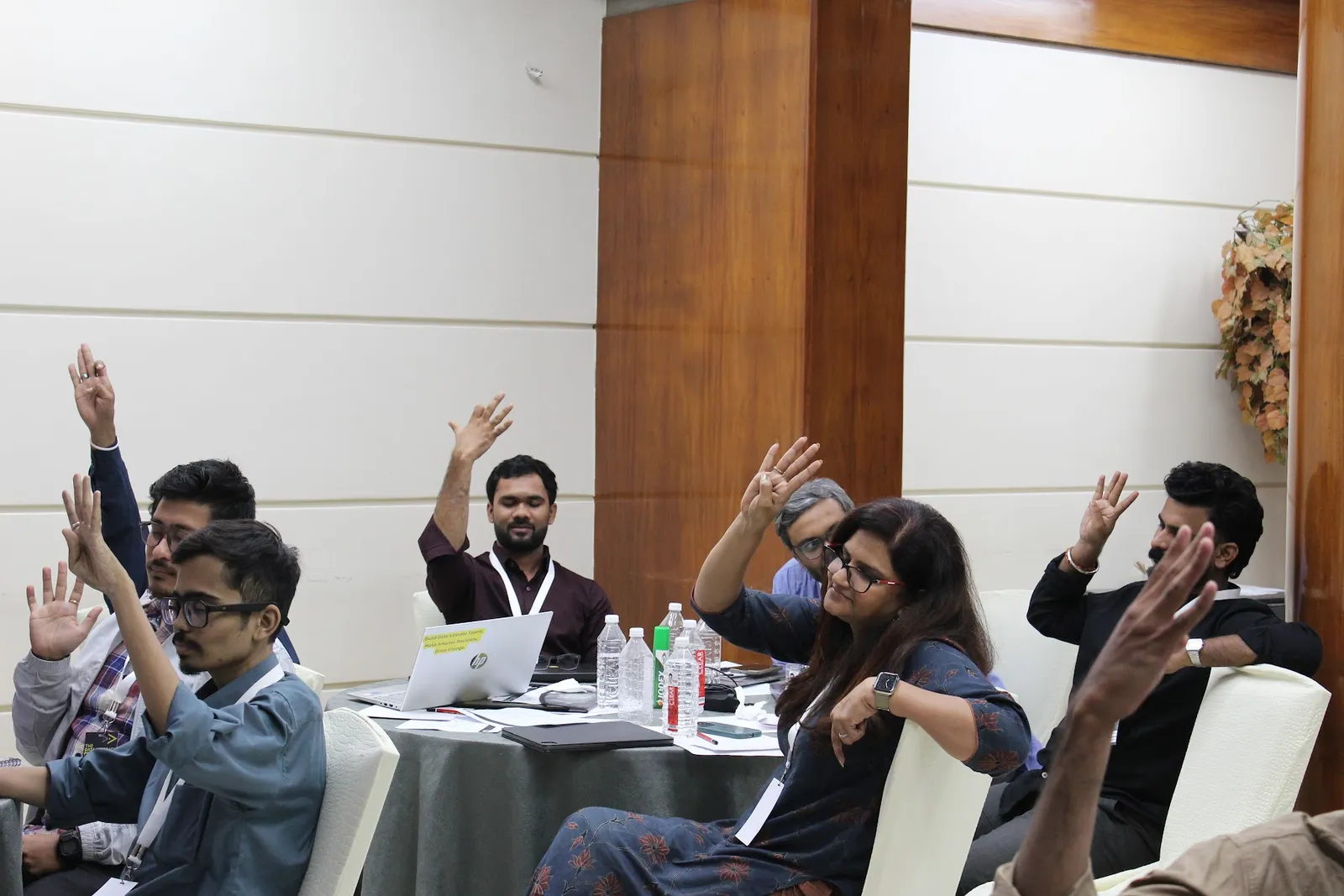
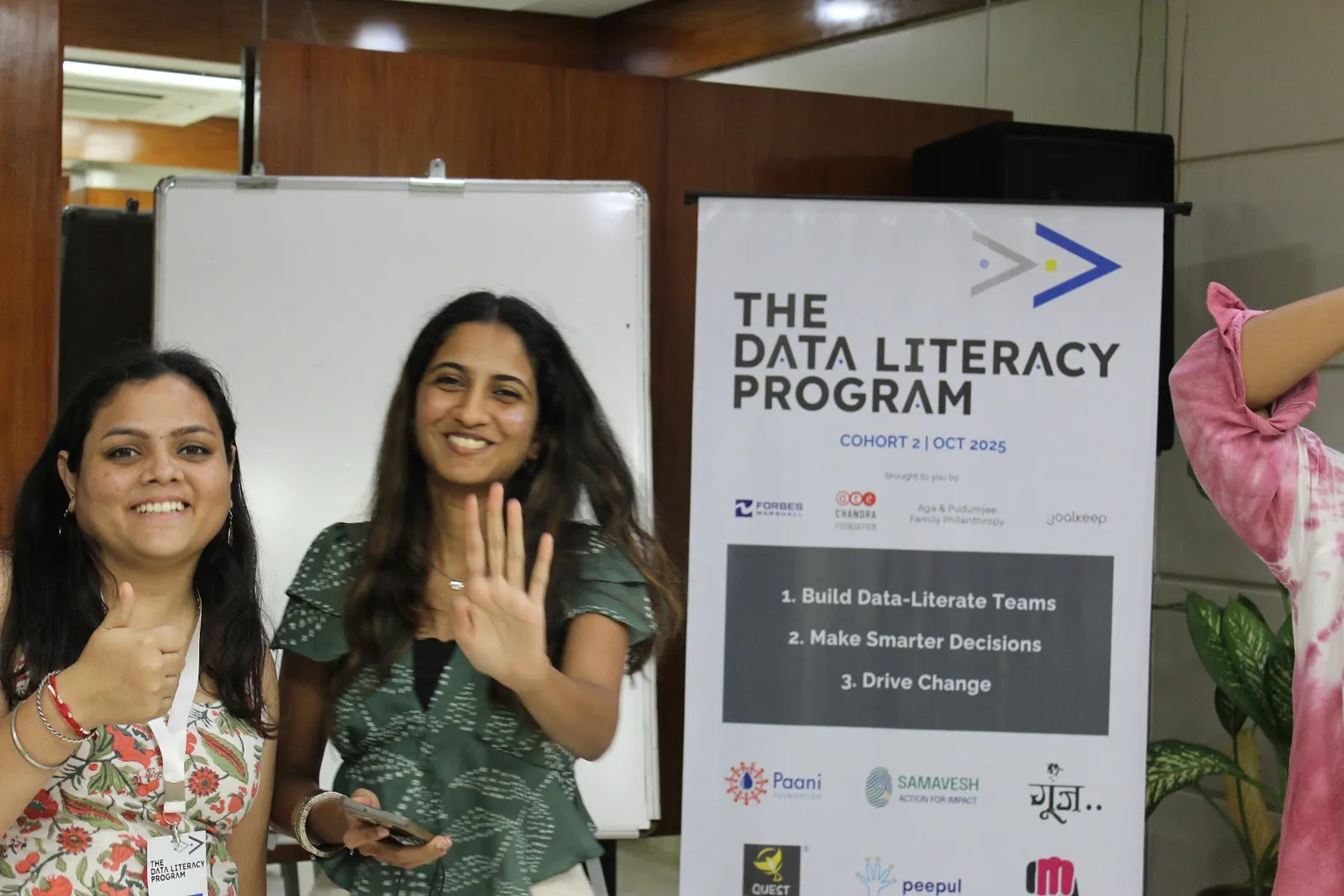
Participants raising their hands to answer a question during a sessionTwo participants smiling and waving at the cameraParticipants and a facilitator working through an exercise at a table
Better and more timely decisionsManagers and programme teams use data more consistently to recognise what is working, identify emerging problems and decide where attention or resources are needed.
Capability that is internally ownedOrganisations build adapted learning into onboarding, annual training, programme reviews or manager development, reducing dependence on external trainers.
Responsible use of AITeams use AI to support selected data-related tasks while applying safeguards for privacy, accuracy, inclusion and human accountability.
Stronger organisational routinesData interpretation becomes part of recurring programme reviews, leadership conversations, and reporting and decision-making.

evidence from previous cohorts

Here’s what impact two DLP cohorts have managed to create.

42participants trained
700+colleagues trained by participants at their own organisations
76%of assessed participants improved in at least one data-literacy skill
In my 18 years of experience in research and M&E, I have never seen such a detailed training being conducted. I got confidence and a lot of resources to use, which we can easily contextualise to our organisation back in Punjab.
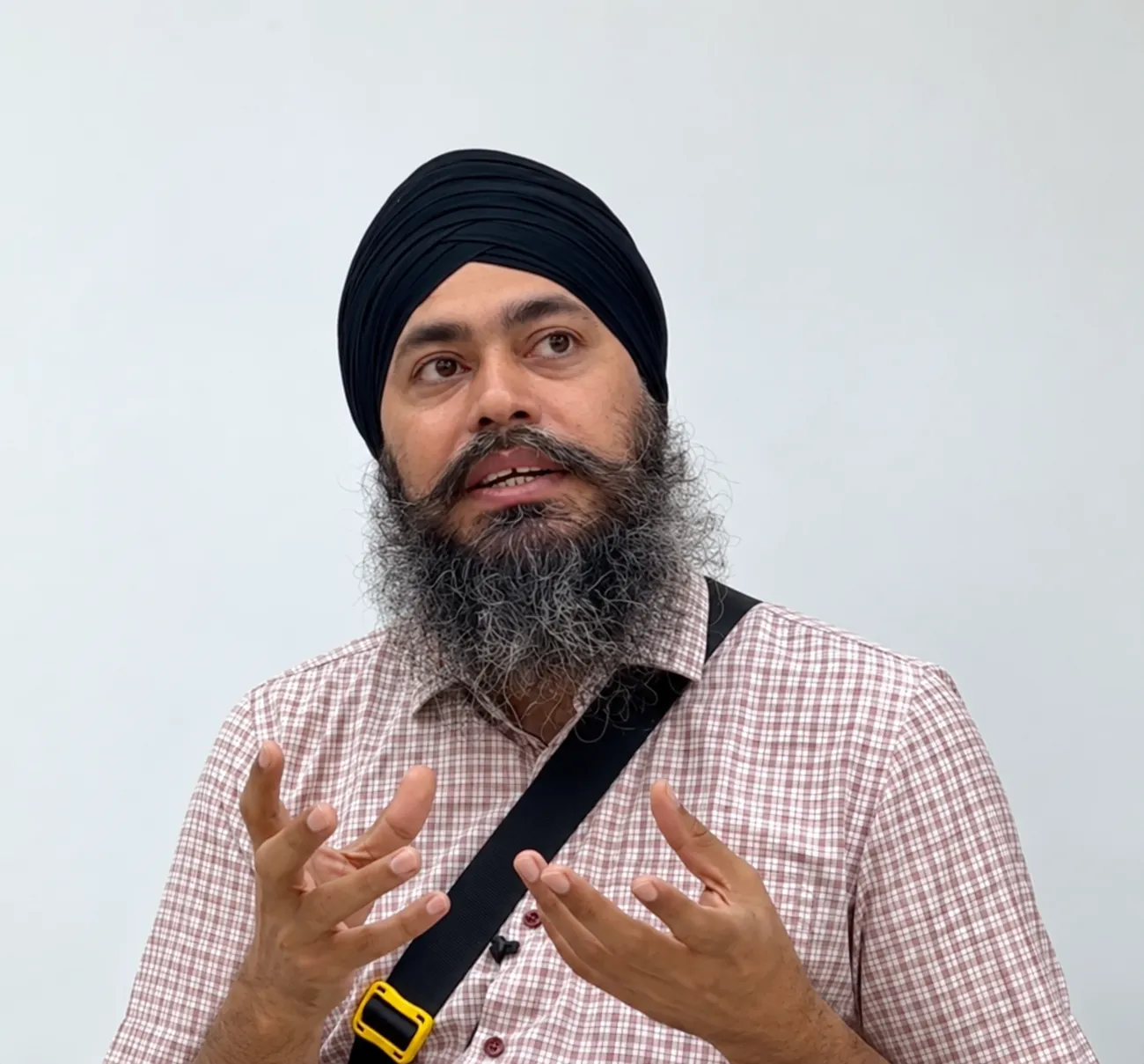
Perwinder SinghPerwinder SinghSanjhi Sikhiya
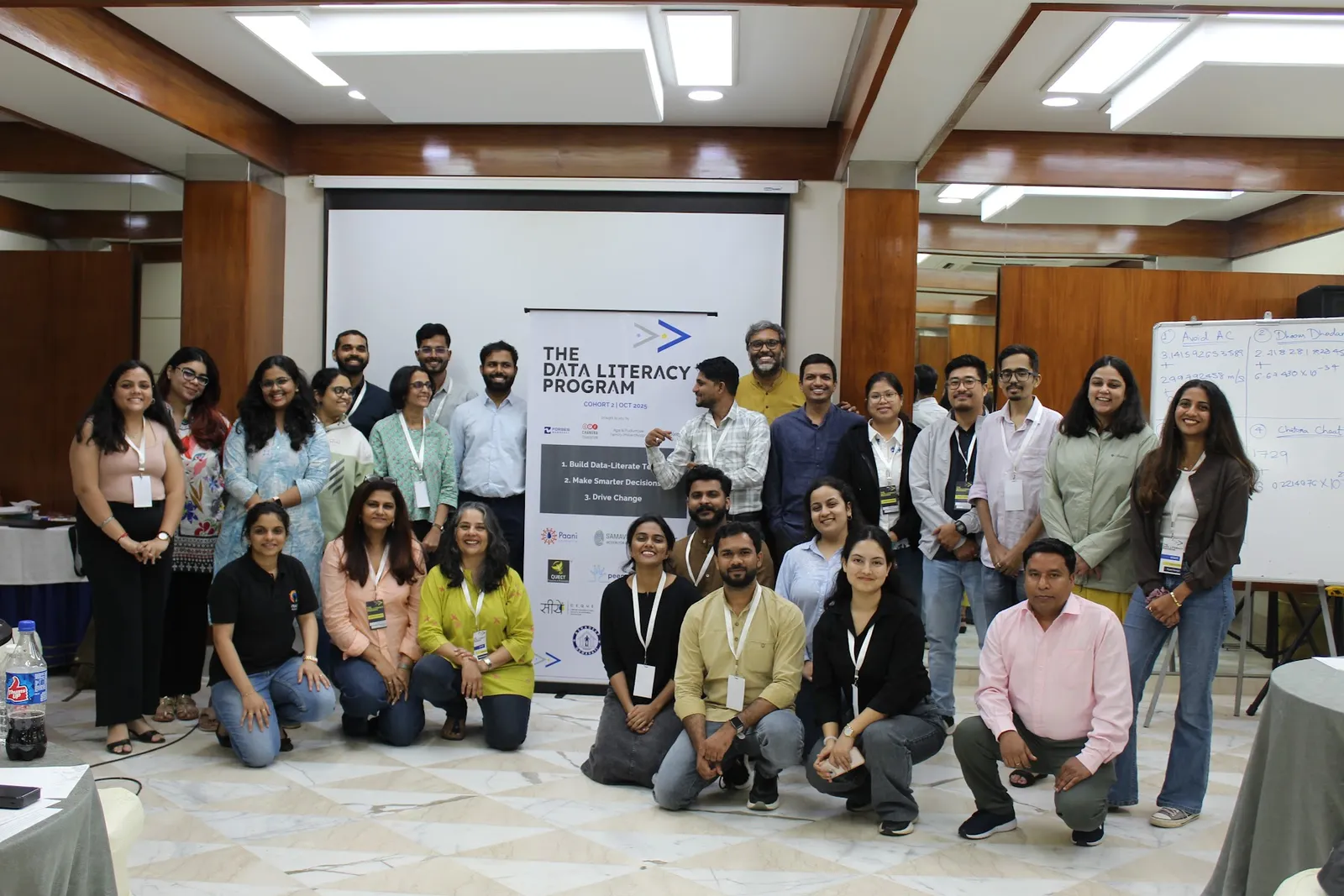
The full cohort sitting and standing together for a group photo
Participants raising their hands with energy during a group activity
A participant taking notes in a notebook during a session

frequently asked questions

Questions organisations ask before they apply.

No. The program focuses on the ability to interpret, analyse, visualise, communicate and act on data. Participants do not need coding or advanced statistical experience.

Help data capability travel beyond the MEL team.

Equip leaders within your organisation to build confidence, strengthen everyday data use and help colleagues across roles make more data-driven decisions.