
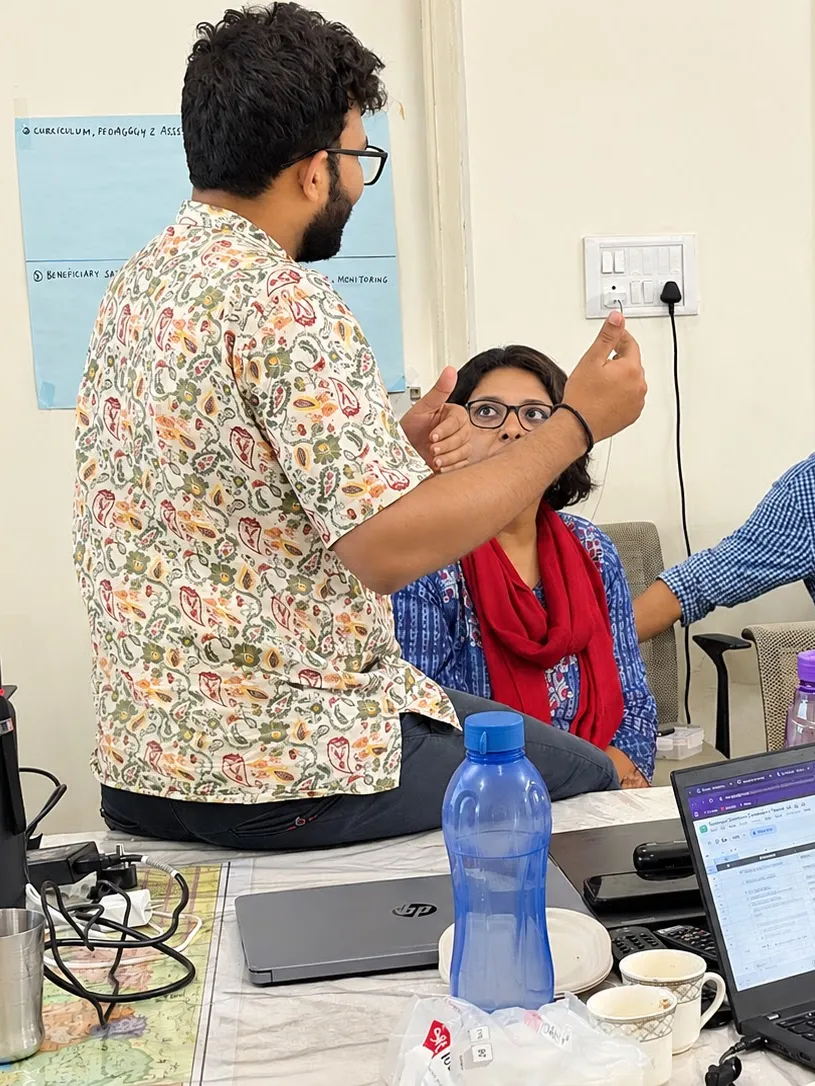
The challenge wasn’t a lack of data. It was creating a shared organisational language without losing what each programme had built.
Peepul partners with state governments to transform learning in public schools, by making classrooms more engaging and strengthening the systems that support teachers and schools.
As the organisation grew, leadership began facing a different challenge. While individual programmes could clearly communicate their own work and outcomes, it had become increasingly difficult to bring those stories together into one organisation-level picture of impact. This created practical challenges for the organisation:
- Similar concepts were being defined differently across programmes.
- Programme dashboards and evaluation studies provided valuable insights individually, but could not easily be brought together into an organisation-level view.
- Leadership found it difficult to consistently communicate Peepul’s overall impact to governments, funders and other stakeholders.
1. Building Deep Context Across All Eight Programmes
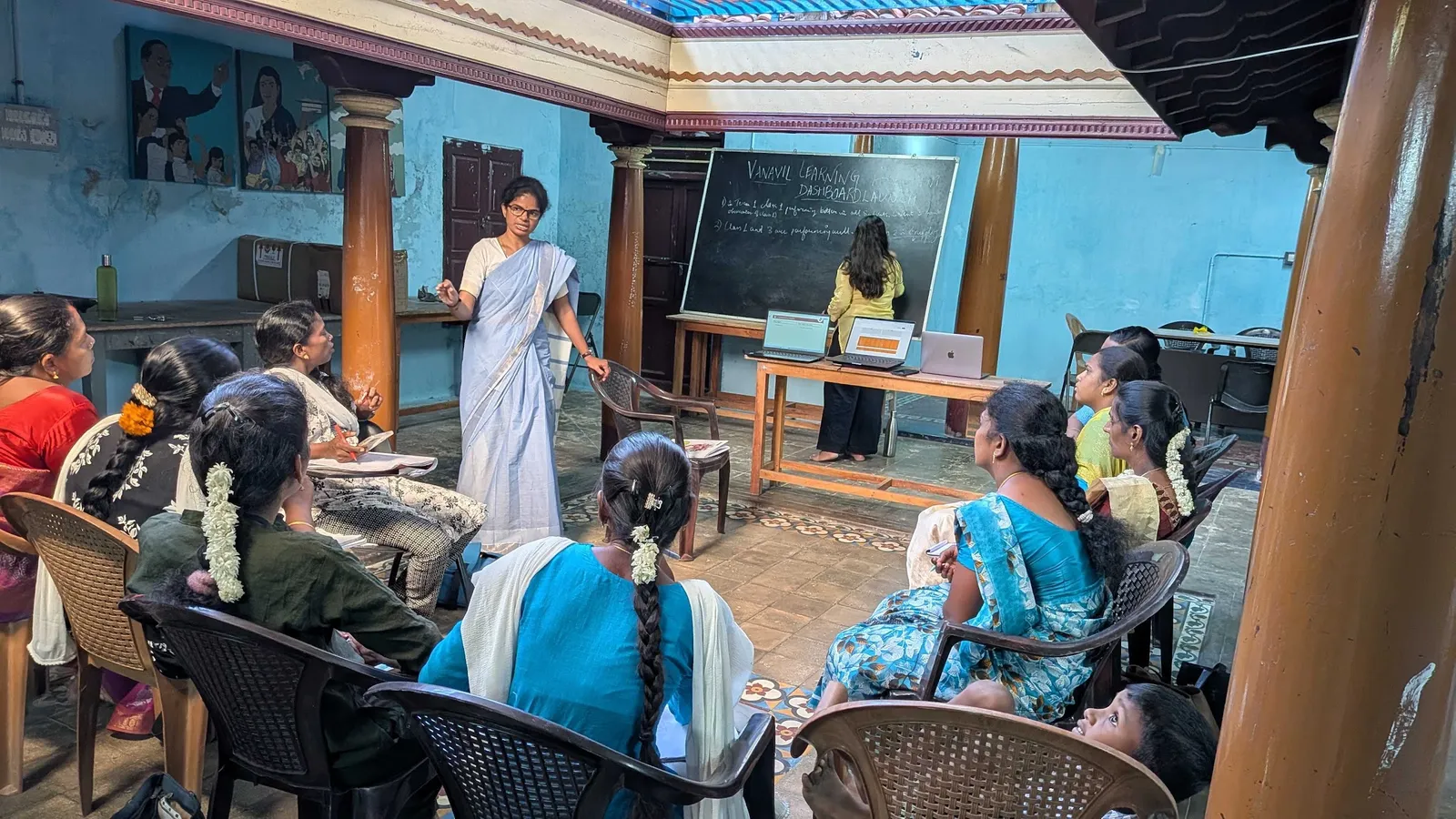
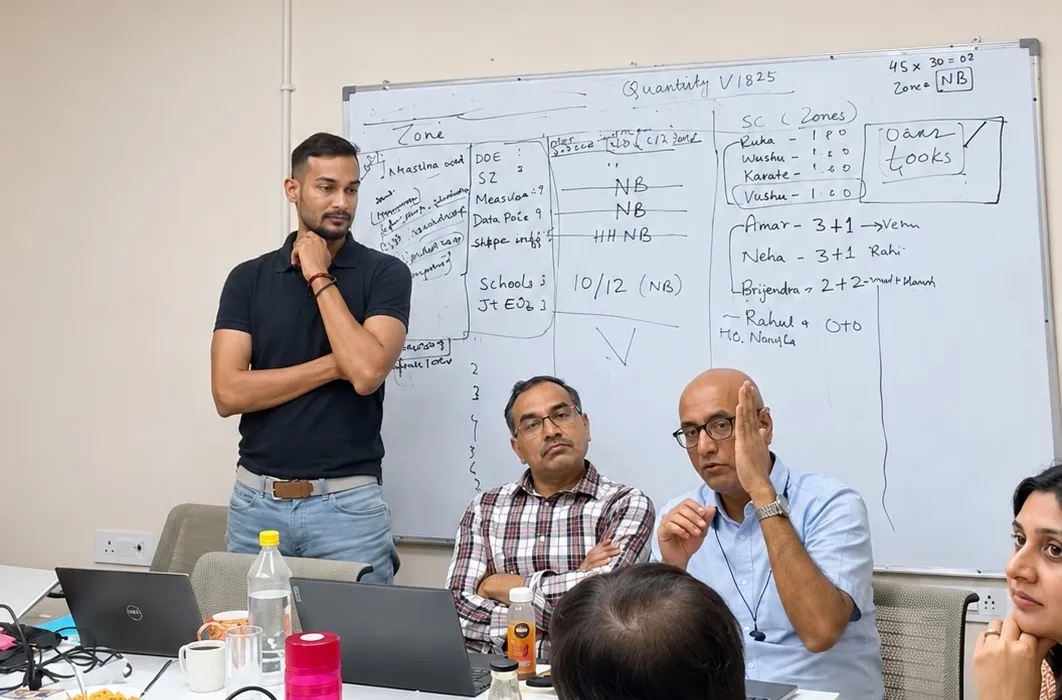
We visited all eight programmes and spoke with nearly twenty stakeholders across leadership and programme teams. Previous attempts at alignment had stalled because programme teams questioned the value of standardising an impact framework, so we needed to see first-hand how different teams were collecting data and reporting their outcomes.
2. Finding Common Ground Across Peepul’s Theory of Change
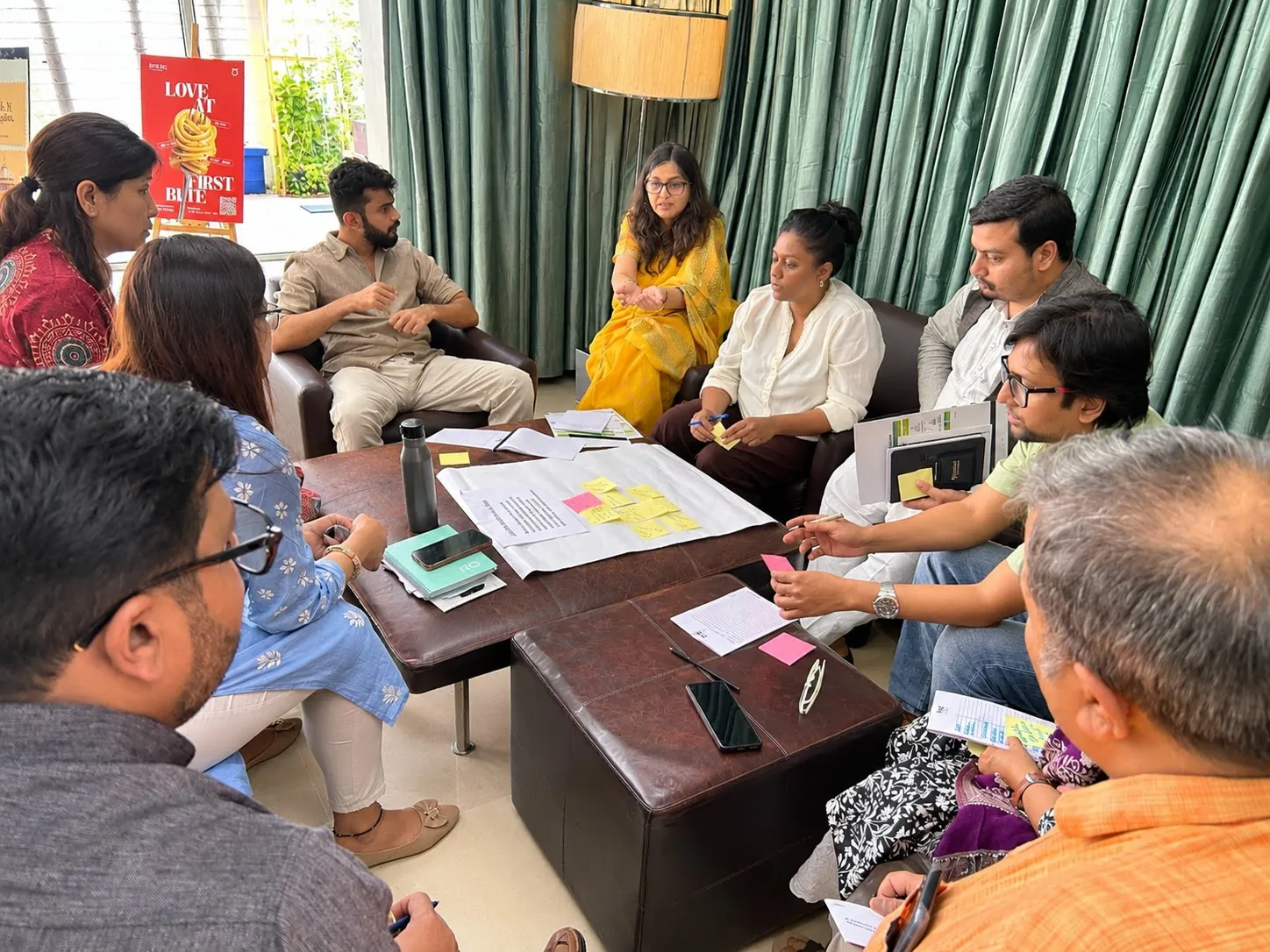
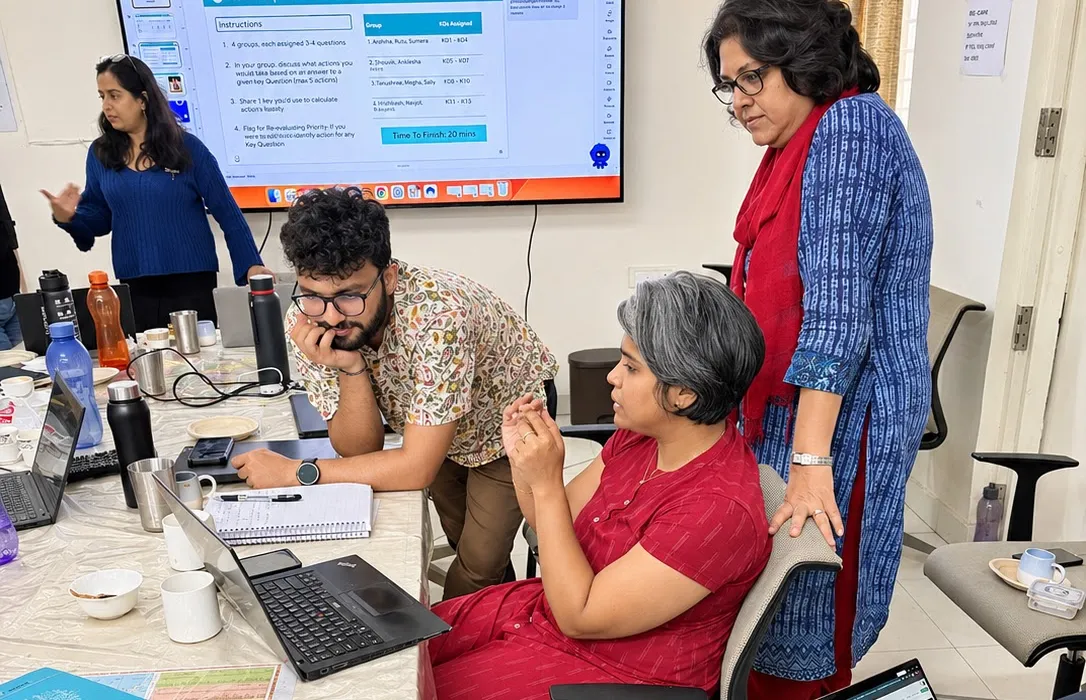
That context became the foundation for the shared framework we set out to develop. Across four leadership workshops, we mapped Peepul’s Theory of Change to a shared set of organisation-level indicators. This meant helping leadership make some hard calls: which indicators should be common across every programme, which should stay at programme level without rolling up, and how to settle cases where two programmes defined the same concept differently. The aim was to find the foundational thread that already ran through every programme, and give it common definitions the whole organisation could stand behind.
3. Giving Leadership One Integrated Picture of the Organisation
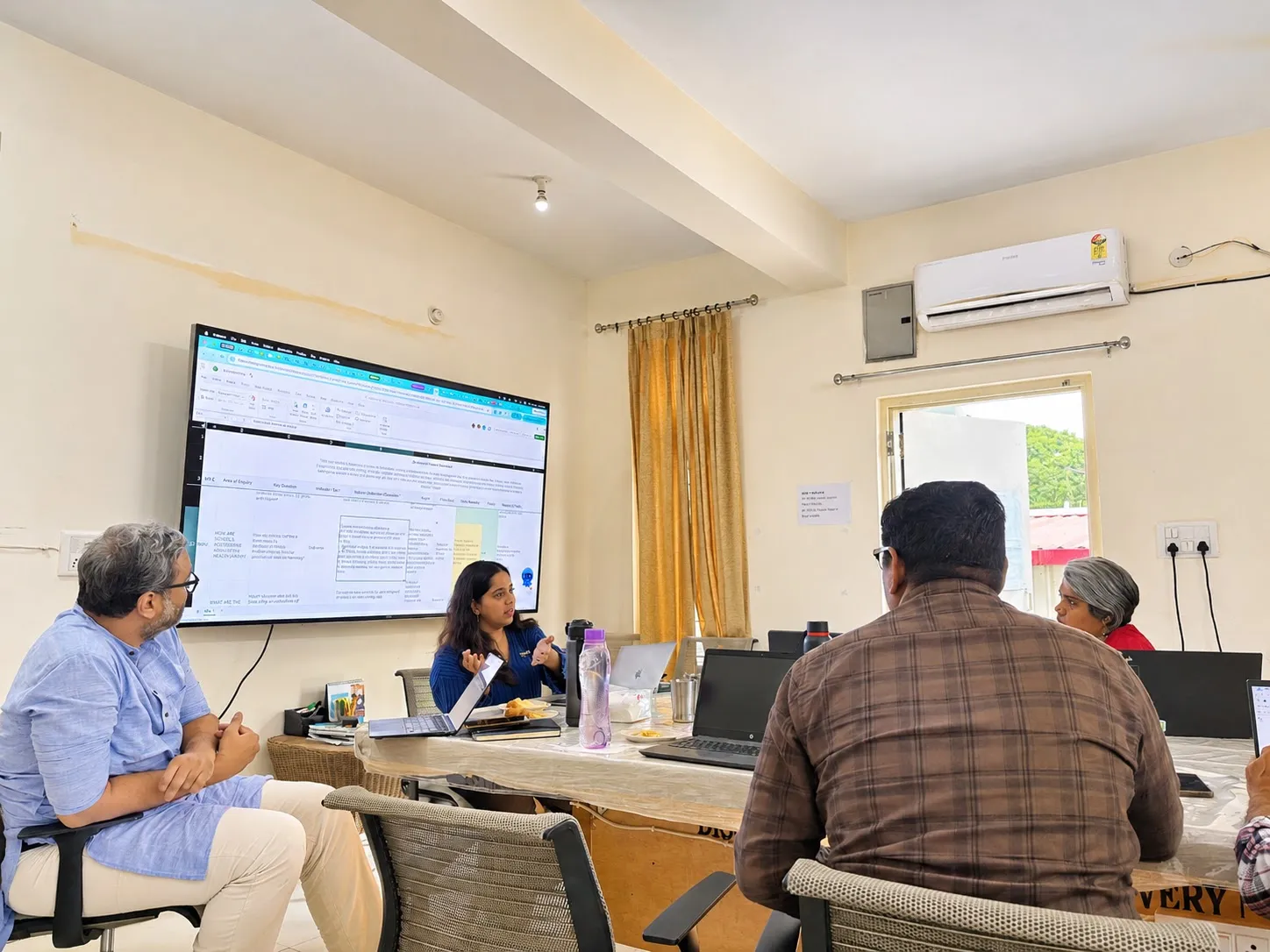
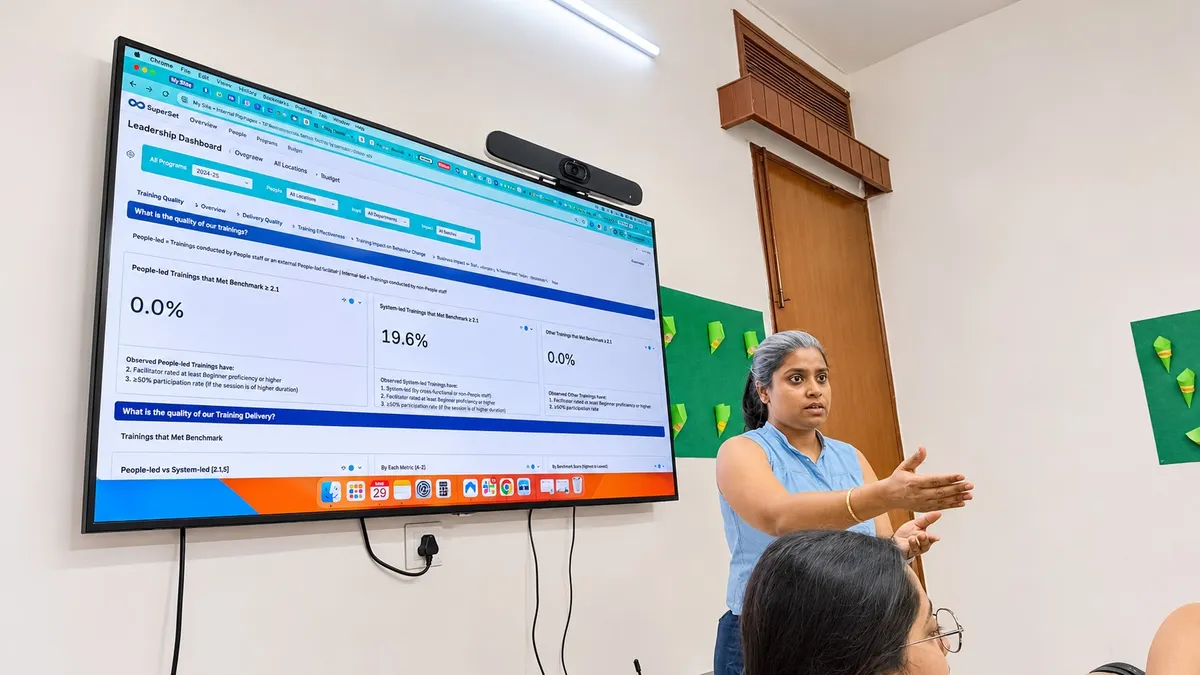
Before any development began, we put dashboard mockups in front of the leadership team, including a view mapping Peepul’s Theory of Change to organisation-level scorecards. For the first time, everyone was reacting to the same picture of Peepul. Definitions, indicators and dashboard views were then refined over several rounds to arrive at the final system, which gives leadership an organisation-wide view of impact.
- 19 organisation-level indicators agreed across all 8 programmes
- Common definitions set for core concepts, including student learning outcomes and classroom engagement
- Programme-level flexibility retained, with each programme’s measures also mapped to the shared framework
- A leadership dashboard live with 7 integrated views, all mapped to Peepul’s Theory of Change
- Organisation-level indicators connected to existing programme data, with no new data collection burden on teams
- Data gaps made visible to leadership, with indicators that lack data flagged as “Data NA” for follow-up
- Foundational literacy and numeracy (FLN) confirmed as the centre of expansion into new geographies
- Programmes continue adapting to local contexts while contributing to one organisational outcome
For organisations working across multiple programmes, complexity is often a sign of growth rather than a sign that systems are failing. Individual programmes naturally evolve to respond to different contexts, which makes organisation-wide alignment progressively more challenging.
This project reinforced that effective impact measurement begins with creating enough organisational clarity to decide what should remain common across every programme. Once those conversations happen, designing indicators, dashboards and reporting systems becomes a much more straightforward exercise.
Actually having the data to bring you down to what are the core elements of your program that will really drive impact, I think that is what was super helpful for us.