
The visible reporting difficulties were symptoms of deeper issues in how data was gathered, interpreted and discussed across the programme.
KAWACH is a decade-long British Asian Trust programme that works through 16 partner organisations across 12 districts in four states to strengthen child protection systems and create safer environments for children.
Its leadership relies on quantitative and qualitative data from these partners to understand how the work is progressing and to report on it at district, state and programme level. Each year, annual reporting brought a wider challenge into focus: KAWACH had a wealth of evidence across its partner network, but no simple way to turn it into one coherent picture of progress, learning and impact.
- Fragmented data and reporting processes: partners generated valuable evidence in different contexts and formats, which made it difficult to identify common patterns or build a representative, programme-wide narrative.
- A compliance-led reporting mindset: reporting risked becoming an exercise in submitting as much information as possible, rather than using data transparently to learn and to communicate what was and wasn’t working.
- Uneven confidence and power dynamics: implementing partners were closest to the work, but did not always have the skills, confidence or space to analyse their evidence and share challenges openly with programme leadership.
1. Introducing the MAP Framework
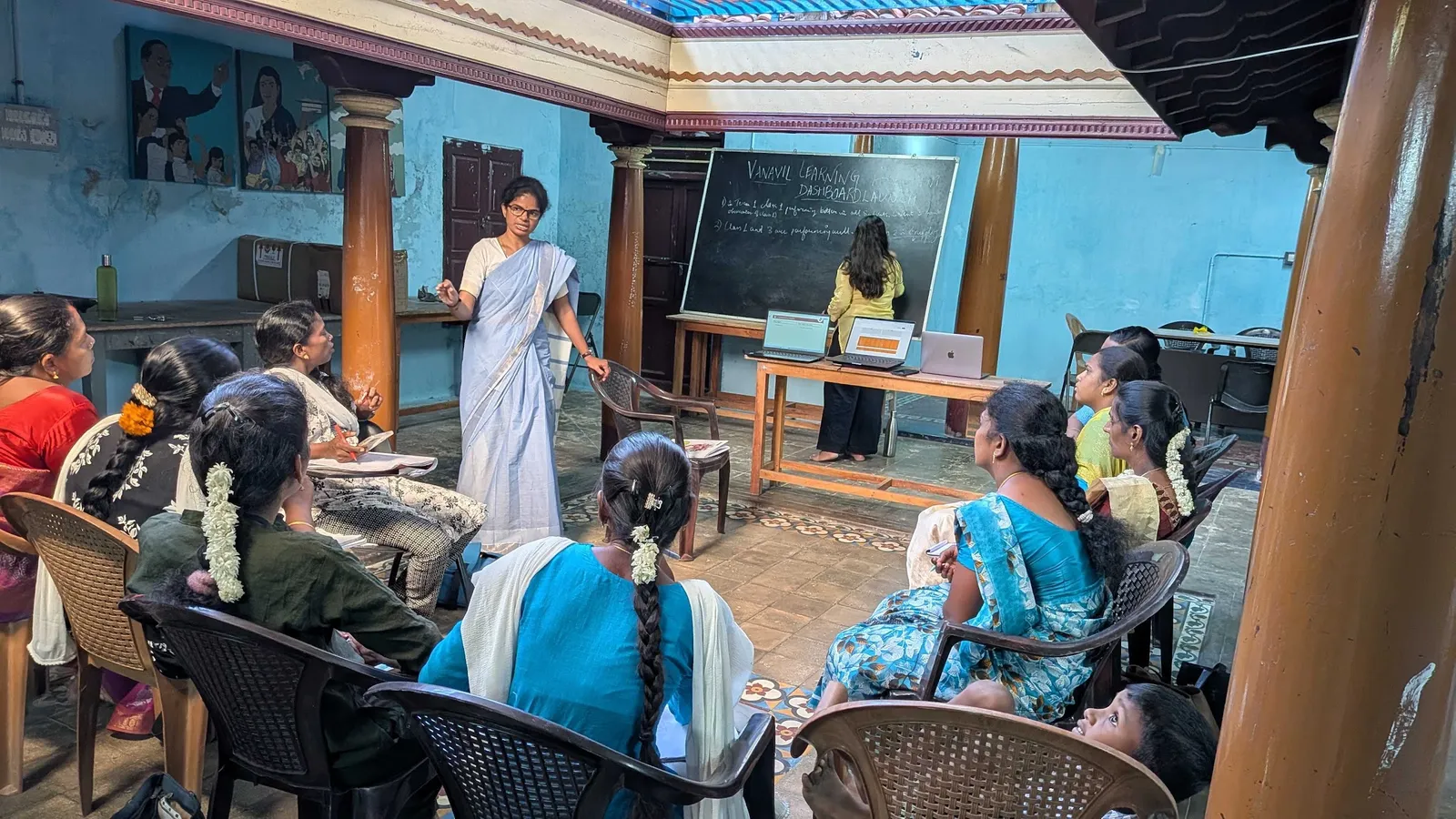
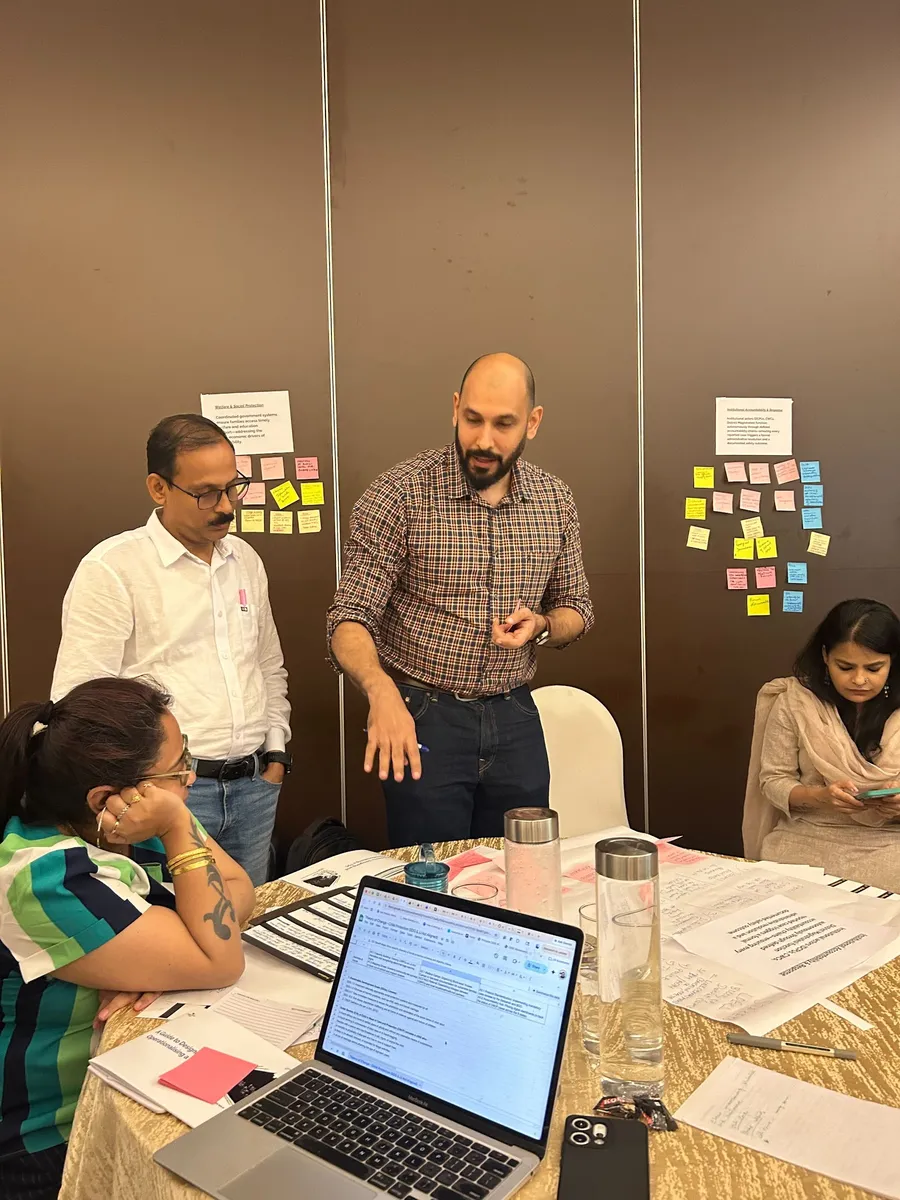
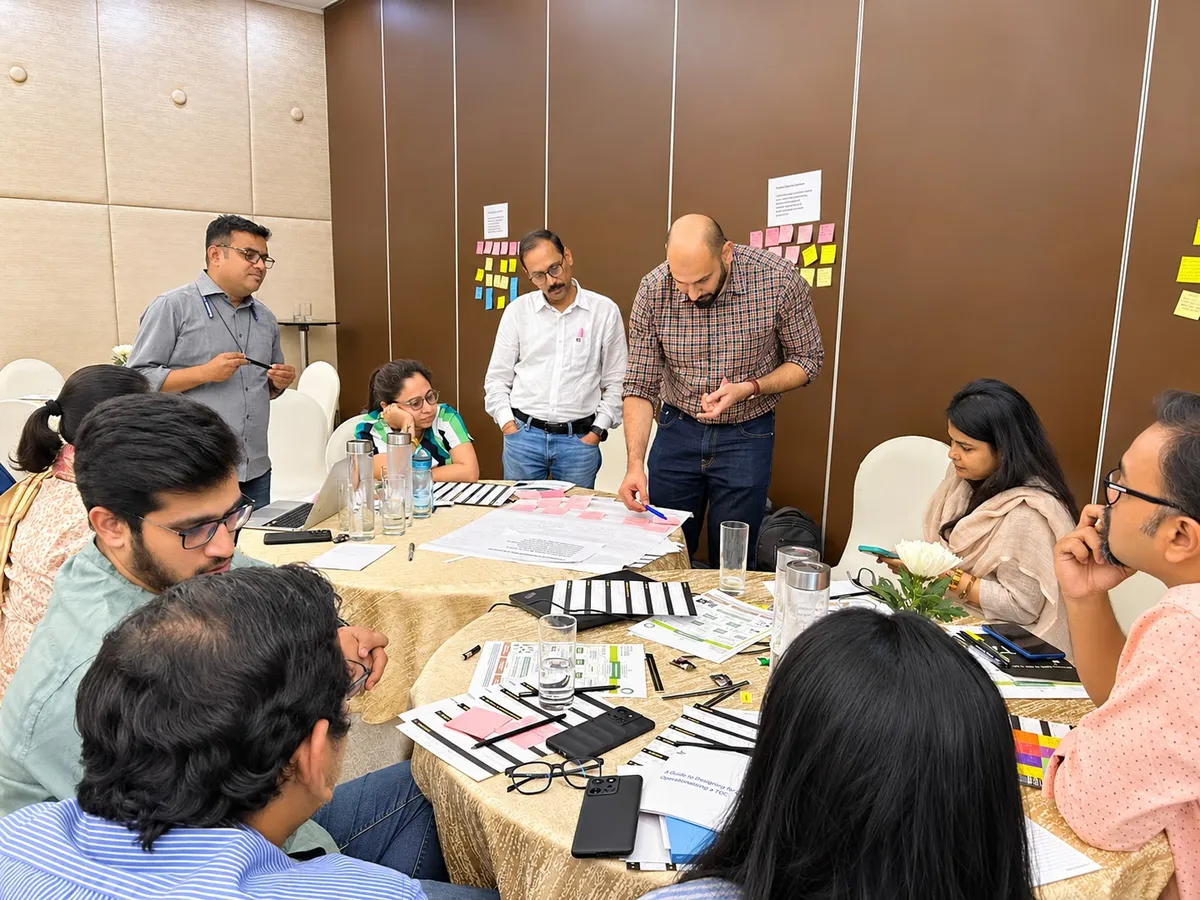
Nearly 70 participants from partner organisations and KAWACH’s programme and leadership teams came together in Bengaluru. We introduced the MAP framework: craft a Message for your audience, Amplify the priorities that matter most and Prove each claim with clear evidence. Everyday exercises and a custom quiz in the style of Kaun Banega Crorepati made the ideas stick, with programme staff and partners taking part on equal terms.
2. Applying MAP to KAWACH’s Evidence
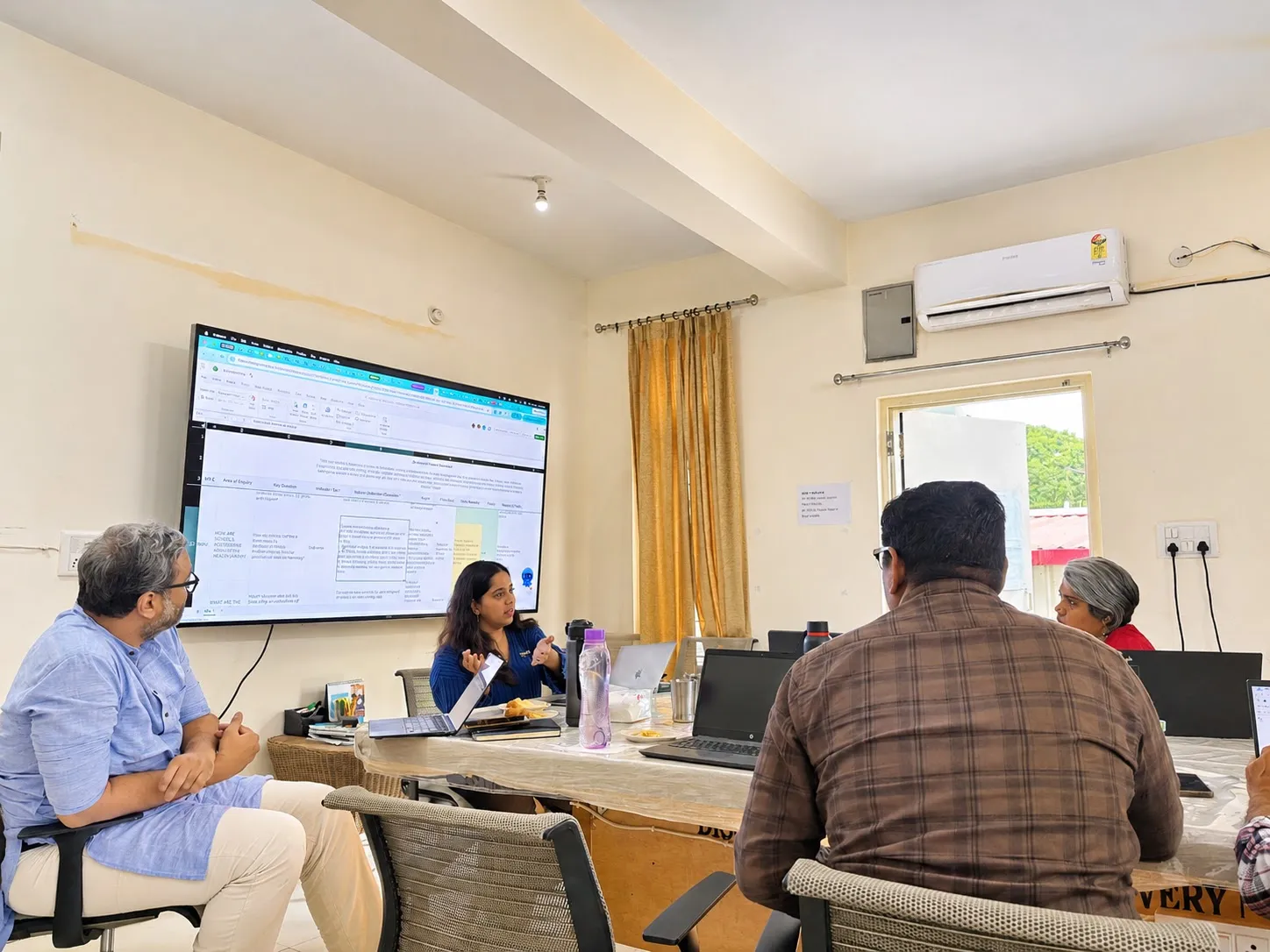
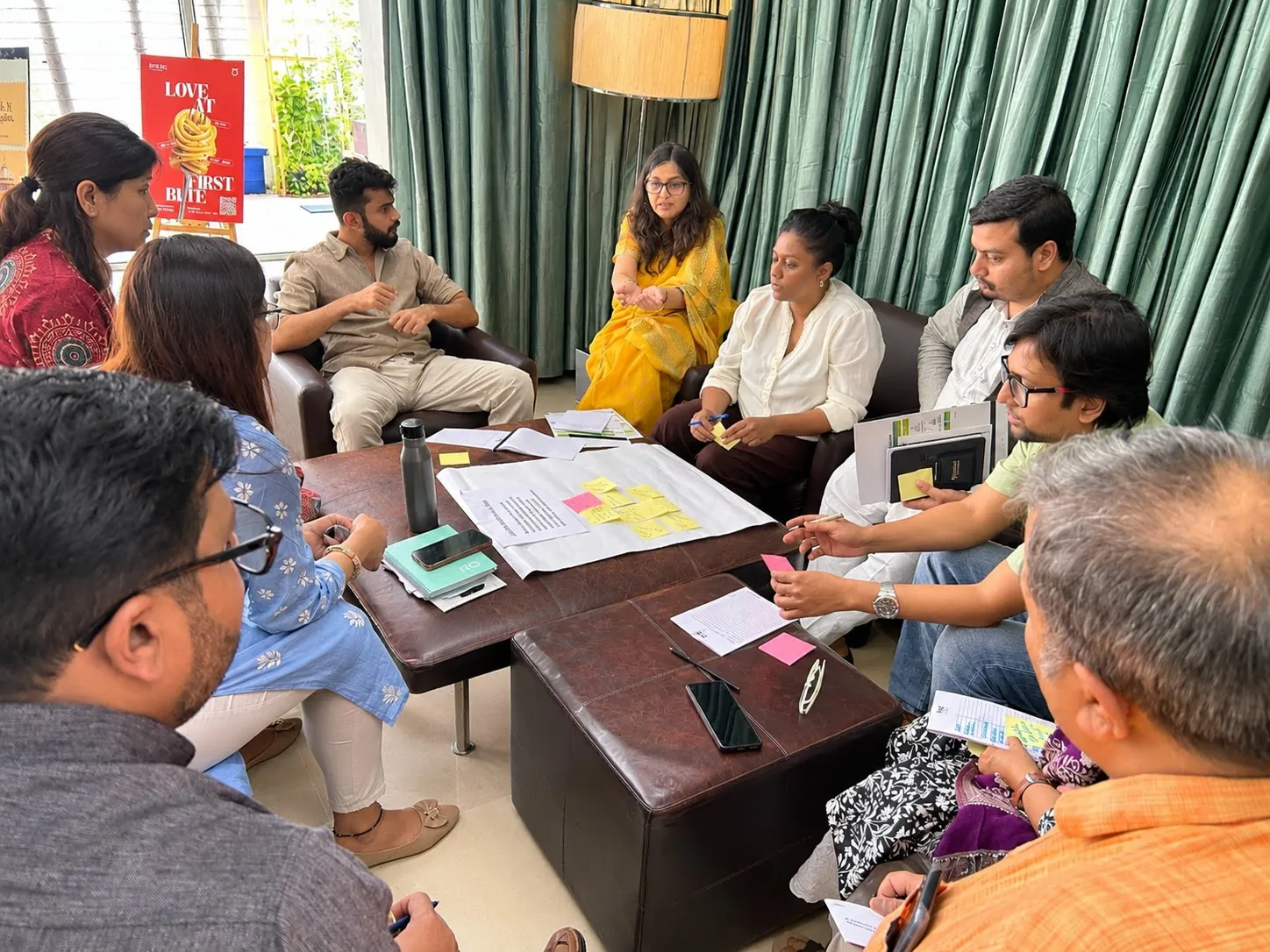
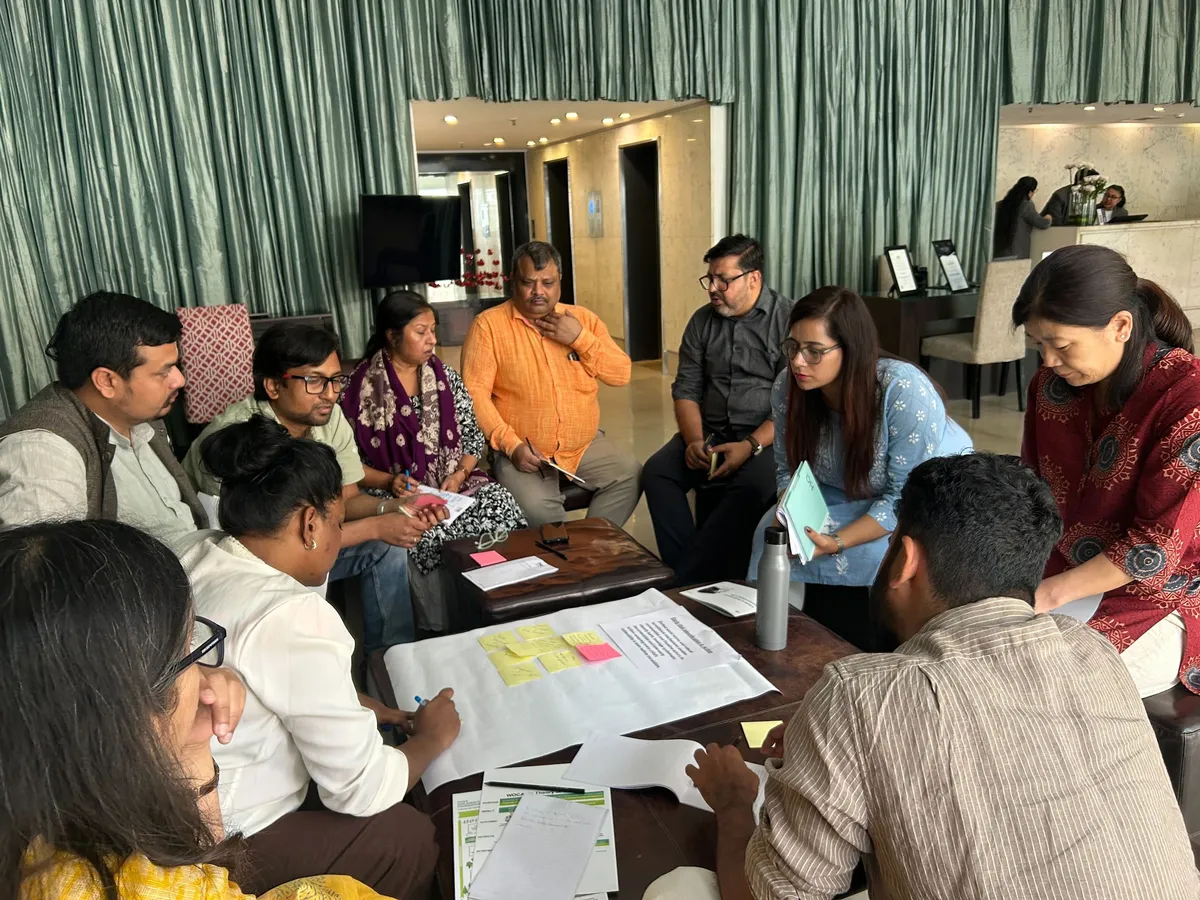
Participants then worked in district groups on priority programme indicators, combining individual reflection with structured discussion of achievements, challenges, lessons and next steps. A KAWACH team member facilitated each table and documented the evidence in a shared digital template, making sure every participant had space to contribute.
3. Refining and Streamlining the Findings
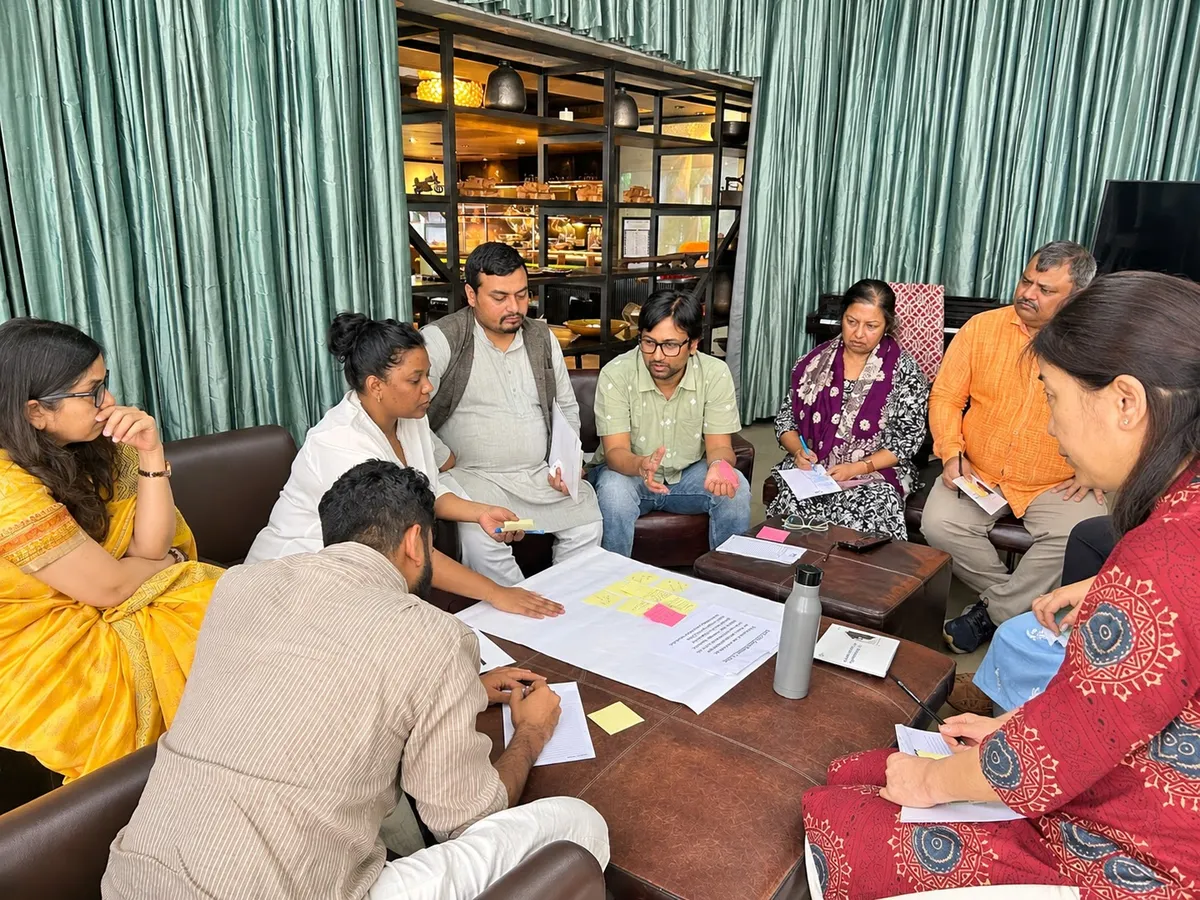
Groups reviewed their inputs to find the most important messages and test whether each claim was backed by quantitative or qualitative evidence. By the middle of the second day, participants were pushing one another for clearer evidence, while facilitators balanced progress with making sure every perspective was heard.
- Evidence from almost all districts, organised around priority indicators
- Inputs that went on to inform district, state and annual programme reports
- Partners practised choosing messages, prioritising information and backing claims with evidence
- 92% of participants said they learnt something new, and 72% would recommend similar workshops
- Reporting began to shift from a compliance exercise to collective sense-making
- More space for partners to share both progress and difficulties honestly
For intermediaries, funders and NGO networks working through multiple partners, data capacity building can do more than improve a report. When partners have a clear method, practical tools and a safe space to interpret evidence together, reporting can become a source of learning, alignment and stronger collaboration.
The KAWACH engagement reinforced that a strong impact narrative is not created by collecting the greatest possible volume of information. It emerges when organisations build the confidence and discipline to decide what matters, surface different perspectives and support their claims with evidence.